


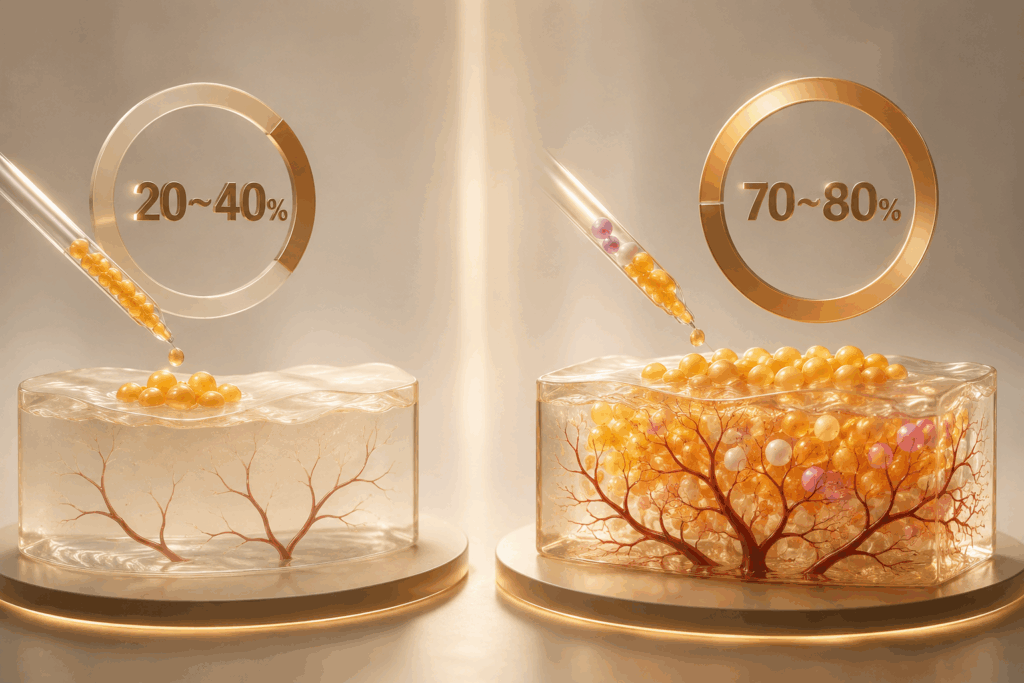
Facial fat grafting is a method that involves injecting substantial vesicles (SVF) along with high-purity fat, allowing for a higher engraftment rate (70–80%) compared to standard fat grafting (20–40%). However, even with the same procedure, the graft depth and injection method must be designed differently depending on the area, such as the forehead, cheeks, nasolabial folds, and jawline. Precise analysis via 3D scanning and post-operative oxygen management play a crucial role in ensuring engraftment stability and preventing side effects, while results vary depending on individual constitution and the characteristics of each area.
Differences in SVF based on engraftment rate
The key to facial fat grafting is how well the transplanted fat survives and takes root. Standard fat grafting has a relatively low survival rate of around 20–40%, so repeated procedures are often required.
On the other hand, stem cell (SVF) fat grafting is a method of injecting fat-derived cell components extracted from fat together with high-purity fat, and it is known to improve the engraftment rate to 70–80%.
Design that varies by part
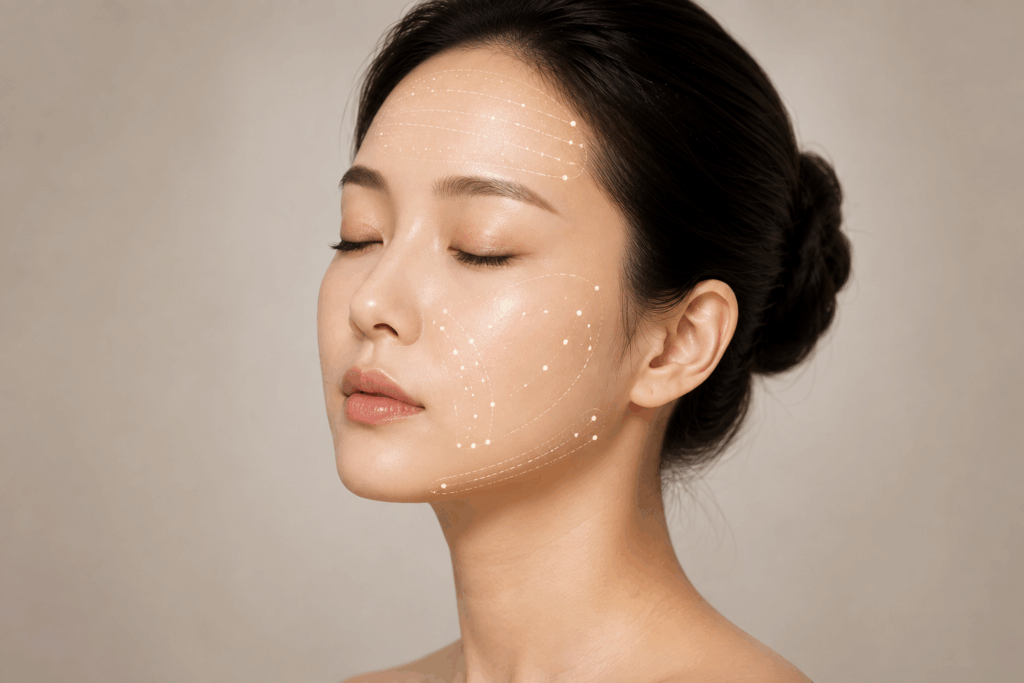
Even with the same stem cell (SVF) fat graft, the graft depth and injection method are designed differently depending on the facial area.
| region | Design Features |
| Forehead | Dispersed transplantation of a large area divided into shallow and deep layers |
| cheek (mid-face) | Small-scale transplants from various angles while meticulously ensuring left-right symmetry |
| nasolabial folds | Precisely placing minute amounts while considering facial movements |
| Jawline | The overall line design comes first, and the transplant plays a supporting role. |
Even under the single name of 'facial fat grafting,' completely different designs are required for each area.
Facial fat grafting process

- Analysis of facial volume and structureWe precisely analyze the volume, symmetry, and lines of the entire face through 3D scanning and conduct thorough consultations.
- fat harvesting: Extract fat from the abdomen or thighs, etc.
- Injection after SVF component extractionSVF is extracted from harvested fat, blended with high-purity fat, and micro-injected according to the specific characteristics of each body part.
- High-concentration oxygen recovery managementSupports tissue regeneration and engraftment with a high-concentration oxygen chamber
The entire procedure takes approximately 2 to 3 hours and is usually performed under sedation, allowing you to return to your daily life on the same day.
The Role of 3D Scanning
3D scanning measures the contours of the facial surface in three dimensions, allowing for the numerical verification of differences in volume between the left and right sides, the degree of depression in specific areas, and the asymmetry of the overall lines. Based on this data, the required amount of fat for each area can be simulated in advance, aiding in the design of predictable results.
Side effects and prevention standards

While stem cell (SVF) fat grafting offers a higher engraftment rate than conventional methods, it is not entirely free of side effects. Typical side effects include the excretion of unengrafted fat from the body or calcification, where the fat combines with surrounding tissues to harden.
Since these risks depend heavily on the engraftment rate and the experience of the medical team, it is important to check the following three criteria.
- Is it a hospital with many surgery cases?
- Whether sophisticated diagnoses such as 3D analysis are performed
- Whether follow-up care is systematic
SC301 has published and disclosed an average engraftment rate of 77.48%, calculated based on over 9,000 cases, in the SCI-indexed international academic journal *Annals of Plastic Surgery*. (Engraftment rates and results may vary depending on individual constitution and characteristics of the surgical site.)
Things to check during consultation
- Does it explain how the graft depth and method differ depending on the desired area (forehead/cheeks/nasolabial folds/jawline)?
- Whether it is possible to check expected results in advance based on 3D scanning data
- Whether it provides guidance on risk factors requiring particular attention for each body part
- How many times and in what manner follow-up care, such as high-concentration oxygen management, is provided
Frequently Asked Questions
Q. Can I treat multiple areas at once?
A. Since this can vary depending on the amount of fat available for harvesting and the individual's facial structure, it is accurate to determine whether to proceed with simultaneous procedures and to prioritize them through a consultation.
Q. Are areas with many facial expressions, like nasolabial folds, more dangerous?
A. While it is true that sophisticated transplantation techniques are required, it cannot be concluded that this in itself is particularly more dangerous. It is important to ensure that the medical team has sufficient experience in the relevant area.
Q. Is it possible to proceed with just a consultation, without 3D scanning?
A. While it is possible in some cases, designing without objective data can reduce predictability, so we recommend undergoing a detailed analysis as well.
Introduction of the surgeon
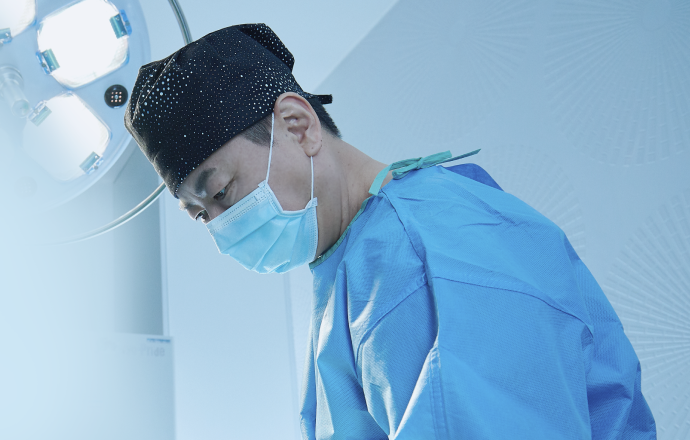
This article was written based on the standards of Chief Director Shin Dong-jin, who has accumulated 19 years of clinical experience in the field of SVF procedures. He served as the President of the Korean Society of Stem Cell Plastic Surgery for 10 years and maintains a principle of performing a maximum of only 2 to 3 surgeries per day.
This content is for informational purposes only. Treatment results, engraftment rates, and the likelihood of side effects may vary depending on individual constitution, characteristics of the treatment area, and lifestyle habits. Please confirm an accurate diagnosis and eligibility for the procedure through an in-person consultation.
Member SC301 · Chan & Chan Tower, 611 Yeongdong-daero, Gangnam-gu, Seoul (77-9 Samseong-dong) · 1-minute walk from Exit 2 of Bongeunsa Station (Line 9)
https://blog.naver.com/sc301guide – SC301 Naver Seongchelin Guide Blog


