



The outcome of stem cell (SVF) breast augmentation depends significantly not only on the surgery itself but also on pre-operative condition preparation and post-operative recovery management. The SC301 objectively assesses the pre-operative condition using body composition analysis and a 3D breast scanner, applies a standardized surgical protocol, supports recovery with digital sensor-based hyperoxygenation and deep heat equipment, and monitors progress for up to six months. This protocol has been published in an international Oxford journal, and results may vary depending on the individual's constitution and fat condition.
Why Management Is As Important as Surgery
The results of stem cell (SVF) breast augmentation (breast fat grafting) surgery do not end in the operating room. Every stage, from the body's condition before surgery and post-operative care to cell activation during the recovery process, directly influences the engraftment rate. SC301 has perfected this process into a single comprehensive solution, and this system has been internationally recognized through an Oxford paper.
Pre-surgery — Analysis equipment to read the body's condition
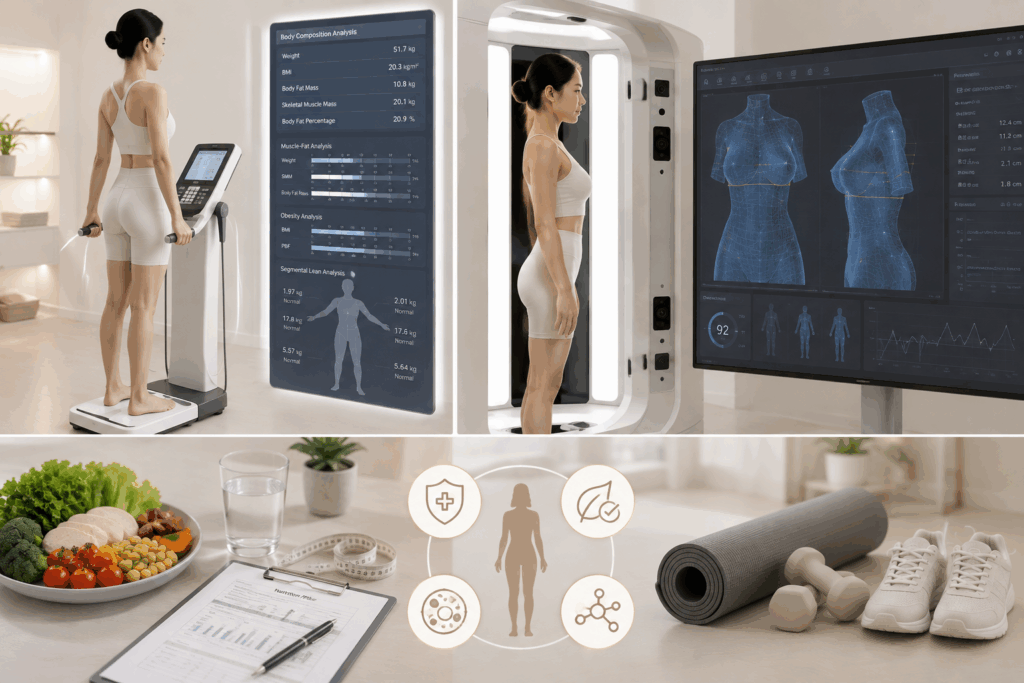
BMI and body composition analysisWe assess suitability for surgery by verifying the body's condition using objective numerical data.
3D Breast ScannerIt simulates pre-operative results by three-dimensionally measuring changes in an individual's body shape, balance, and volume. It allows you to numerically verify details that are easily missed with the naked eye, such as left-right asymmetry or differences in skin thickness.
Based on this analysis, a diet and lifestyle management program is designed to be beneficial for reducing inflammation, improving recovery, and activating fat cells.
During surgery — Standardized protocol
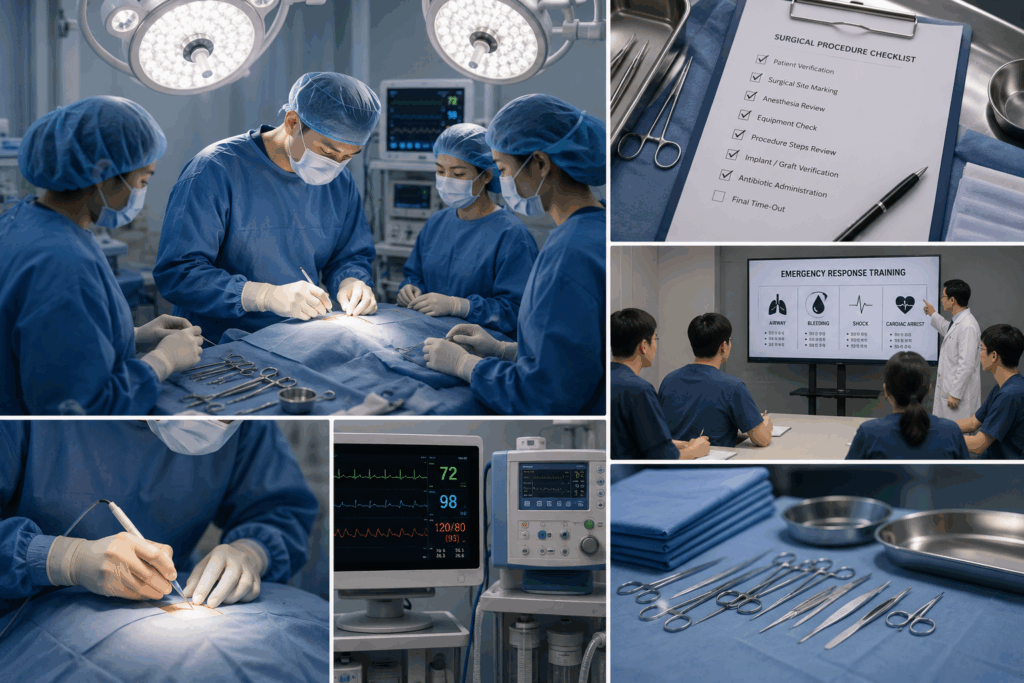
- Standardization of sophisticated surgical procedures
- Regular training for emergency preparedness
- Direct surgery by highly skilled medical staff
We systematically respond to variables that may occur during surgery through thorough manuals and regular response training.
Post-Surgery — Two Devices to Aid Recovery
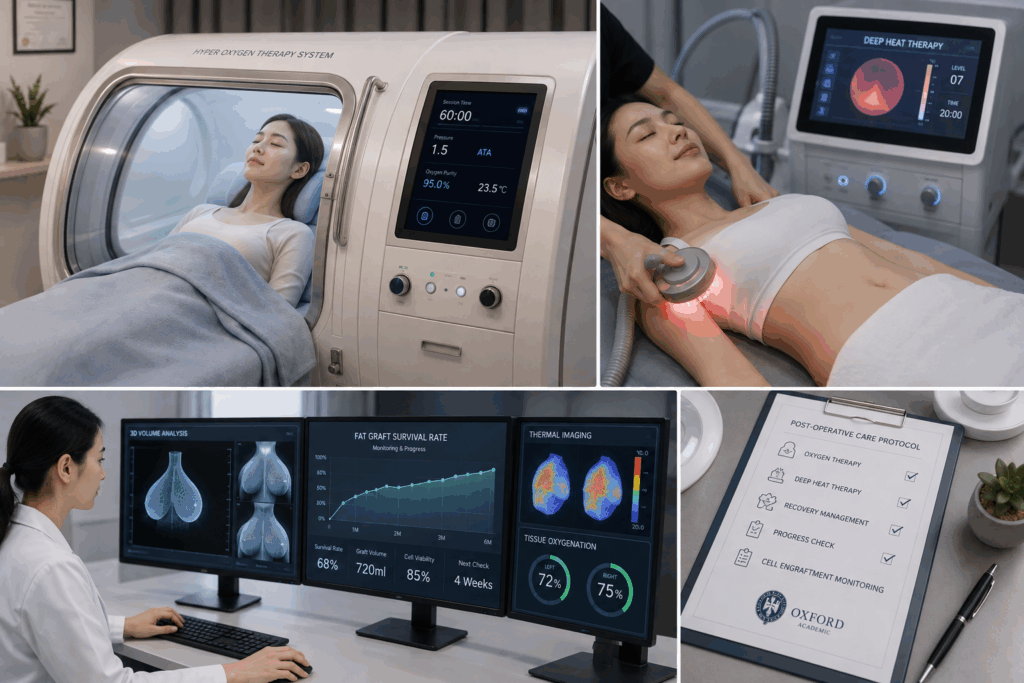
Hyperoxygen therapy systemInhaling high-concentration oxygen accelerates recovery, reduces swelling, and promotes cell regeneration. Built-in digital pressure and temperature sensors ensure treatment is performed under consistent conditions during every session.
Deep heat transfer equipmentIt delivers deep heat to the fat removal area to help alleviate bruising and swelling, restore elasticity, and inhibit fat reformation. It delivers heat to the deep layers of the tissue, rather than just the surface.
Progress monitoring: Observe the progress for up to 6 months or more and regularly check the engraftment status of the fat cells.
The impact of each piece of equipment on the results
| In case of equipment/process absence | Expected limitations |
| No body composition analysis | Uniform planning that does not consider individual differences |
| No 3D scanner | Differences between left and right or skin thickness may be omitted |
| Oxygen therapy without digital sensors | Inconsistent effects per session |
| No progress monitoring | Difficulty in early detection when problems occur |
Each piece of equipment is a factor that is substantially involved in creating graft survival rates and consistency of results.
Comprehensive Protocol
SC301's special care program is a protocol that integrates all stages—pre-operative, intra-operative, and post-operative—into a single flow.
- A program verified by listing in international academic journals
- A graft survival rate optimization system perfected through thousands of trials and errors
- Standardization of the entire process, including specialized equipment, diet, and cell management
SC301 has published and disclosed an average engraftment rate of 77.48%, calculated based on over 9,000 cases, in the SCI-indexed international journal *Annals of Plastic Surgery*. (Engraftment rates and results may vary depending on individual constitution and lifestyle.)
Things to check during consultation
- Whether precision analysis equipment such as 3D scanners is actually used
- Whether the oxygen therapy system has precision management functions such as digital sensors
- How many months and at what frequency progress monitoring is conducted
- Whether all of this process is included in the estimate or is a separate cost
Frequently Asked Questions
Q. Does having good equipment automatically guarantee good results?
A. While equipment is a factor that enhances the consistency and precision of results, other factors such as the proficiency of medical staff and the individual's organizational status also play a role.
Q. How many sessions of hyperoxygen therapy do I need?
A. Since recovery speed and the scope of the procedure may vary, it is accurate to receive guidance on the specific number of sessions through a consultation.
Q. How is the 6-month follow-up monitoring conducted?
A. It is often conducted through examinations and counseling via regular visits, combined with imaging tests when necessary.
Introduction of the surgeon
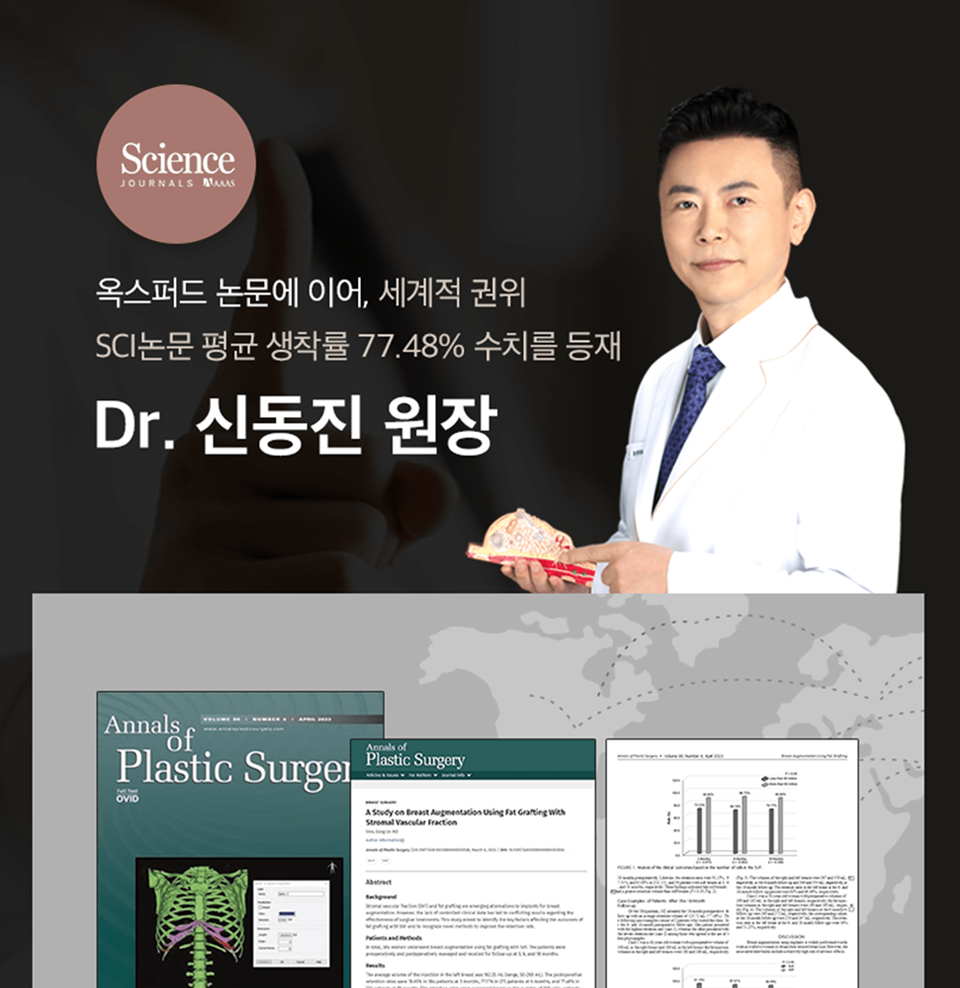
This article was written based on the clinical standards of Chief Director Shin Dong-jin (19 years of experience, over 9,000 cumulative surgeries performed), who has established the field of stem cell (SVF) breast augmentation. He served as the President of the Korean Society of Stem Cell Plastic Surgery for 10 years and maintains a principle of performing a maximum of only 2 to 3 surgeries per day.
This content is for informational purposes only, and treatment results and graft survival rates may vary depending on individual constitution, fat condition, and lifestyle habits. Please confirm an accurate diagnosis and eligibility for the procedure through an in-person consultation.
Member SC301 · Chan & Chan Tower, 611 Yeongdong-daero, Gangnam-gu, Seoul (77-9 Samseong-dong) · 1-minute walk from Exit 2 of Bongeunsa Station (Line 9)
https://blog.naver.com/sc301guide – SC301 Naver Seongchelin Guide Blog


