Go to SC301 Clinic AI Consultation Request
Sollea AI Consultation
Go to SC301 Clinic AI Consultation Request
Skip to main content

Fat Grafting Research Center — SC301

Fat Grafting Research Center

From Good Fat to Grafting — The Science of Survival

Fat Graft Research Center — The Science of Survival

The success or failure of fat grafting is determined not by the insertion technique, but by which fat is extracted, how it is extracted, and how it is handled. From the quality of the materials to the cell processing facilities—we research the entire process of engraftment.

# Good Fat Bad Fat # Fat Graft Survival Rate # Cell Processing Facility # Stem Cell (SVF) Fat Grafting

Fat Grafting Research Center

Prologue — Two Research Centers

A place that studies cells and, A place that studies survival

SC301 houses two research centers. While the Stem Cell Research Center studies the SVF cell itself—what it is, how it is extracted, and in what facilities it is handled—the Fat Graft Research Center studies the entire process of how the transplanted fat, along with those cells, survives within the body. The question here is singular: how can the transplanted volume remain as part of my body?

  • Stem Cell Research Center — Science of Cells: Definition · Extraction · Facilities · Data
  • Fat Grafting Research Center — Science of Survival: Materials · Harvesting · Processing · Transplantation · Management

Research 01 — Science of Materials

Good fats and bad fats are What is different?

Even fat of the same volume can have completely different qualities. Fat rich in living fat cells and stromal vascular fraction (SVF) with low oil and blood incorporation connects quickly to blood vessels after transplantation, whereas fat mixed with a large amount of free oil and cells destroyed during the harvesting process is absorbed or causes inflammation and calcification. The donor site is also important — fat from the lower abdomen and thighs is reported to have a relatively high density of fat-derived stem cells (Padoin et al., PRS 2008), making it a good starting point for materials.

bad fat

  • Large amount of glass oil mixed in with destroyed cells during extraction
  • Low purity mixed with blood and anesthetic
  • Condition of low stem cell density or reduced activity — Risk of absorption, inflammation, and calcification

Good fat

  • Intact tissue with a high proportion of living fat cells
  • Collected from a donor site rich in SVF (stem cells and regenerative cells)
  • High purity with oil and blood removed — material with rapid blood vessel connection

Research 02 — Pre-management

Good fats are, You can make it

The quality of fat is not solely determined by genetics. Rapid dieting causes fat cells to atrophy, and smoking is known to be a factor that hinders engraftment by reducing peripheral blood flow and cellular activity. Conversely, fat harvested from a stable weight and balanced nutritional state has high cellular activity. Therefore, SC301 manages the materials starting from before surgery—securing healthy fat through diet management tailored to your body type, and designing the timing of surgery after numerically confirming your body's starting point through cellular activity checks and 3D volume measurements.

Care 01

Weight and Nutrition Management

Avoid rapid weight loss and improve the condition of fat cells with a balanced, protein-centered diet. We provide diet manuals tailored to your body type.

Care 02

Correction of life factors

We advise correcting factors that reduce blood flow and cell activity, such as smoking and excessive drinking, before surgery.

Care 03

Starting point verified by numbers

We check the condition of the fat through cell activity screening and 3D precision volume measurement, and determine the appropriate timing for surgery together.

Research 03 — Extraction Techniques

so as not to damage the cells How to take it out

Since the Coleman technique became the standard for fat grafting, the principles of harvesting have become clear—low negative pressure, with a fine cannula, and slowly. High negative pressure bursts fat cells, while a thick cannula tears tissue. The longer the exposure to air and the waiting time (ischemic time) after harvesting, the more the cells die. The SC301 minimizes cell damage through ultra-fine cannula low-pressure harvesting and shortens the time from harvest to processing through the system.

  • Low-pressure extraction — Strong suction pressure is the main cause of fat cell destruction
  • Ultrafine cannula — Reduces tissue damage and bleeding to secure high-purity fat
  • Reduced ischemic time — In-hospital flow leading to immediate processing after collection
  • Extraction design considering the donor line — simultaneous material acquisition and body line

Research 04 — Processing System

The extracted fat is How should it be managed

Harvested fat is not a material to be inserted as is, but rather one that requires refinement. Centrifugation and washing remove free oil, blood, and anesthetic fluids to leave only living tissue, and temperature, time, and sterility must be maintained throughout the entire processing process. If this process is disrupted, even the finest fat can lead to infection and absorption. The SC301 handles the entire process—from harvesting to transplantation—in-house without external outsourcing, using a cell counter to measure activity and operating in a sterile cell processing space.

System 01

Refining — Purity

Oil and blood are removed through centrifugation and washing, leaving only living tissue.

System 02

Measurement — Activity

We verify the quality of the transplant material numerically by checking the number and activity of cells using a cell counter.

System 03

Environment — Sterile · Time

Temperature and ischemia time are controlled in a sterile processing space, and collection, processing, and transplantation are connected in a single workflow within the hospital.

Research 05 — The Truth About Graft Survival Rates

The survival rate of general fat grafting is Why is it uneven?

Literature states that the absorption rate of conventional fat grafting is difficult to predict, with reported rates ranging from 20% to 80%. The reason for this is explained by survival zone studies (Eto et al., PRS 2012), which show that the core of the grafted tissue necroses because blood vessels cannot reach it, leaving only the surface layer to survive. The turning point was Cell-Assisted Adipose Transplantation (CAL)—since the publication of research (Yoshimura et al., 2008) demonstrating that grafting fat reinforced with SVF/fat-derived stem cells improves angiogenesis and survival rates, engraftment has become a matter of design rather than luck. Therefore, the SVF method must be adopted in fat grafting, and one must seek out a facility that has proven its results. SC301 has published its own clinical data in an international SCI journal, reporting an average 18-month engraftment rate of 77.48% (individual differences may apply).

Research 05 — The Truth About Graft Survival Rates
  • Standard fat grafting — Wide variation in absorption rate of 20–80% in the literature
  • Cause — Necrosis of the central region not reached by blood vessels (Surroundings Theory)
  • Solution — Cell-assisted fat grafting (CAL) reinforcing SVF
  • Proof — SC301 9,000 case data · SCI papers 77.48% (18 months, individual differences apply)

Research 06 — Why a Licensed Facility?

To handle cells, Qualifications are required.

The isolation and processing of SVF cannot be performed just anywhere. Under the Act on Advanced Regenerative Medicine and Advanced Biopharmaceuticals, this is only permitted at government-approved cell processing facilities that meet standards for personnel, facilities, equipment, and quality control. The reason SC301 has personally established this facility, which costs tens of millions of won annually to maintain, is simple: to handle cells in a responsible environment, keeping them fresh immediately after collection, rather than entrusting them to external contractors. SC301 holds Cell Processing Facility License No. 139 and is an Advanced Regenerative Medicine Implementing Agency.

  • Cell Processing Facility Permit No. 139 — Meets MFDS standards for personnel, facilities, and quality control
  • Advanced Regenerative Medicine Implementing Institution — Designated by the Ministry of Health and Welfare
  • Direct in-house processing without external outsourcing — a matter of freshness and responsibility
  • Ministry of Science and ICT Certified R&D Department — Structure where data accumulates

Research 07 — Design of Graft Succession

Survival taken into account The process of transplantation

High-quality materials, intact harvesting, and verified processing—the final step is the implantation method. The answer lies in reversing the principle that the central region far from blood vessels undergoes necrosis: implanting small amounts in multiple layers so that all fat is positioned close to the blood vessels. Volume changes before and after surgery are quantified through 3D precision checks, and Secret Care continuously manages the environment for engraftment.

Step 01

Take it out carefully so as not to get hurt.

We secure living cells using ultra-fine cannula low-pressure sampling.

Step 02

Add survival factors

SVF is isolated and concentrated at an authorized facility and added to fats.

Step 03

It is planted near the blood vessels.

It is designed so that all cells are positioned close to blood vessels through small-volume multilayer dispersion injection.

This is a story that people like this should read.

  • Those who have experienced volume dropping quickly after fat grafting
  • Those who are hesitating about fat grafting due to concerns about the survival rate
  • For those who want volume using natural tissue without implants
  • For those needing criteria to choose a hospital — check the engraftment rate data and cell processing facilities.

Research 08 — Post-Transplant Science

Even after the surgery, engraftment It continues.

The critical period for new blood vessels to grow into the transplanted fat is approximately two weeks immediately after surgery. Since pressure, temperature, blood flow, and nutritional status during this time determine the final engraftment rate, the transplant is not a procedure that ends in the operating room. SC301 protects the initial vascularization period through secret post-operative care designed to enhance engraftment, manages the recovery phase with customized dietary manuals and cell activation checkups that support engraftment, and provides numerical verification of the remaining volume—in other words, your engraftment rate—through precise 3D re-measurement after six months. Facing results in numbers, not just feelings—that is how the Research Center operates.

D+2 weeks

Vascular protector

The critical period for new blood vessel growth — Secret Care, which manages pressure, temperature, and blood flow, protects the environment for engraftment.

~6 months

Stabilization manager

We manage the process of transplanted tissue integration through customized diets and cell activation screenings.

6~18 months

Graft Verifier

Quantifying retention volume through 3D precision remeasurement — case data serves as the basis for the following study.

Deep Dive 01 — Site-Specific Graft Design

Even within the same region, Science differs depending on where you plant.

While the principle of engraftment is singular, the specific conditions vary by body part. For the breasts, the key factors are the space to accommodate a large volume and sufficient skin and tissue capacity; therefore, overfilling beyond the recipient's volume is the biggest obstacle. The face requires a layered design that accounts for micro-volumes in milliliters and even the movements of facial muscles, while the hips, being subjected to pressure from sitting, depend on the injection layer and posture management during the recovery period. Data at the Fat Grafting Research Center is accumulated by body part, and the design plans differ accordingly.

Breast

Space design

3D measurement of chest space and fat layer thickness, and multi-layered distribution within the receiving volume — performed in conjunction with a pre-space management program.

Face

Microvolume design

Precise injection in mL units per site — varying the layer and direction to account for facial movements and skin thickness.

Hip · Body

Pressure design

The protocol includes load-bearing areas, from the selection of the injection layer to the management of recovery posture and compression.

Deep Dive 02 — Things That Hinder Graft Success

The low survival rate Greed and Habitis

Factors that reduce the survival rate of grafts are not limited to the operating table. First is overfilling—while injecting more at once may seem better, fat exceeding the recipient's volume cannot reach blood vessels, leading to necrosis and causing oil cysts and calcification. A planned amount, taken to a less greedy standard, ultimately results in more volume remaining. Second is smoking—the vasoconstriction caused by nicotine is fatal during the critical period when new blood vessels need to grow. Third are rapid weight changes and early compression or massage—actions that disturb the fat before it has settled. Therefore, the research center's protocol includes a prohibition list as long as the surgery itself.

  • Overfilling — Injecting beyond the recipient site's limits is a shortcut to necrosis and calcification; it is divided into staged transplantation if necessary.
  • Smoking and Nicotine — The greatest risk factor blocking blood flow during angiogenesis; quitting smoking before and after surgery is essential.
  • Rapid weight loss — Transplanted fat is also your own fat, so it will be lost along with it; weight stabilization during the recovery period is the principle.
  • Early compression, massage, and sauna — limiting physical stimulation and high-temperature exposure before vascularization is complete

Deep Dive 03 — The Science of Safety

The prerequisite for a good result is Safe resultis

Known issues in fat grafting—oil cysts, calcification, and infection—most stem from dead fat and contamination. Therefore, the answer to safety lies in the same place: refining only living fat to high purity (purification), processing it in a sterile environment (facility), and implanting it within the limits of the recipient site (design). In the case of breast grafts, results are tracked and managed in consideration of their relationship with regular checkups, and every case begins with a thorough pre-operative examination. Not concealing the possibility of side effects but treating them as subjects for management—that is the Research Center's safety standard. (Side effects such as bleeding and infection may occur depending on the individual with any surgery or procedure; please consult fully with the medical team before the procedure.)

  • Refined Ingredients — Removal of dead cells and glass oil is the starting point for preventing cysts and calcification
  • Sterilization — Managing infection risk through contamination control in licensed facilities
  • Respect for the recipient — Infusion volume within limits, staged transplantation if necessary
  • Follow-up Management — Early detection of abnormalities through 3D remeasurement and regular follow-up checks

Clinic Q&A

The most frequently asked questions at the research center 질문들

What exactly is the survival rate?

This is the percentage of transplanted fat that survives over time and maintains its volume. SC301 is calculated based on 3D measurements at the 18-month mark and has reported an average of 77.48% in SCI papers (individual differences may apply).

When does the transplanted fat stabilize?

The first two weeks, during which new blood vessels grow, are the most critical, and the volume stabilizes over approximately six months. After six months, the volume consists mostly of internal tissue that has completed engraftment.

If I lose weight, will the transplanted breasts also shrink?

Since the transplanted fat lives alongside your natural adipose tissue, it may decrease along with rapid weight loss. We recommend maintaining a stable weight during the recovery period.

What should I do if I don't get the desired volume right away?

Rather than forcibly filling the recipient site beyond its capacity, performing additional transplants in stages after engraftment has stabilized is a safer way to preserve more volume.

How long do I need to quit smoking?

Nicotine is a major factor that interferes with angiogenesis. It is recommended to quit smoking for at least several weeks before and after surgery, and the medical team will provide guidance on the duration based on the individual's condition.

Why is a cell processing facility permit important?

The isolation and processing of SVF are permitted only at licensed facilities that meet the legal standards for personnel, facilities, and quality. Direct in-hospital processing at licensed facilities serves as a safeguard supporting cell freshness, sterile safety, and accountability.


Glossary

This page Terms

  • Graft survival rate — The percentage of transplanted fat that connects with blood vessels and survives, measured by the maintenance volume over time.
  • SVF (Schemovascular Fraction) — A complex of stem cells and regenerative cells isolated from fat; formerly known as stem cells
  • CAL (Cell-assisted Fat Grafting) — A method of transplanting fat reinforced with SVF, research spreading internationally since 2008
  • Ischemic time — The time harvested fat survives without blood flow; the shorter the time, the more favorable it is for cell survival.
  • Recipient Volume — The limit of the amount of fat the transplant site can accept without necrosis
  • Cell activity — The proportion and condition of living cells measured by a cell counter

Research 09 — The research continues

Toward the next question, The research continues.

The data from 9,000 cases of engraftment is not the end, but the material for the next question. The Fat Grafting Research Center is advancing data models that more precisely predict pre-operative engraftment rates based on individual physical conditions and SVF activity. We are continuously expanding the science of engraftment through cell banking-linked protocols that store young, healthy cells for reuse when needed, and clinical research in the regenerative field as an advanced regenerative medicine institution. It is a structure where today's surgery becomes tomorrow's research paper, and that paper becomes the engraftment rate for the next patient. This is why we call it a research center, not a hospital.

  • Advanced Graft Survival Rate Prediction Model — Pre-operative Prediction Indicators Based on Individual Data
  • Cell Banking Linkage — A protocol to store young, healthy cells and utilize them when needed
  • Expansion of Regenerative Medicine Clinical Practice — Research as an Advanced Regenerative Medicine Implementing Institution (Conducting Clinical Research on Intractable Diseases)
  • Ministry of Science and ICT Certified R&D Department — A Legal Structure Where Research Never Stops

References

The one this page stands on Studies

  • Coleman SR. Structural Fat Grafting — Standard Procedure for Low-Pressure Grafting, Centrifugation, and Micro-Layer Injection
  • Yoshimura K, et al. Cell-Assisted Lipotransfer (CAL) for Cosmetic Breast Augmentation. Aesthetic Plastic Surgery, 2008
  • Eto H, et al. The Fate of Adipocytes after Nonvascularized Fat Grafting. Plastic and Reconstructive Surgery, 2012 — 3-zone theory
  • Padoin AV, et al. Sources of Processed Lipoaspirate Cells: Influence of Donor Site. PRS, 2008 — Stem cell density by donor site
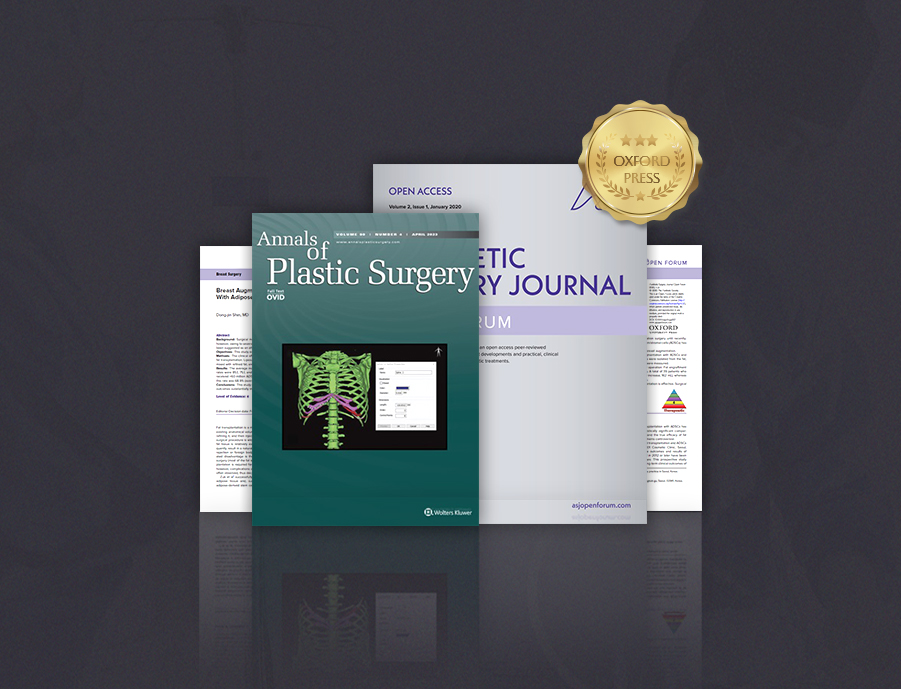
  • SC301 Clinical Trial: Aesthetic Surgery Journal Open Forum, 2020 · Annals of Plastic Surgery, 2023 — 18-month average engraftment rate 77.48%

Epilogue

so, It is SC301.

Fat grafting ultimately depends on engraftment, and engraftment is not a single technical skill but a system. From pre-operative care to create high-quality fat, to harvesting cells without damage, processing in licensed facilities, transplantation calculated for survival, and post-operative care verified by data—this is a place that has integrated this entire process into a single workflow and has independently proven its results in international academic journals. If you are choosing a hospital ahead of fat grafting, ask these five questions. The SC301 Fat Grafting Research Center is the place that can answer all of them.

  • One — Does it manage the quality of fat before surgery? (Pre-operative care program)
  • Two — Is it a collection method that minimizes cell damage (ultrafine cannula · low pressure)
  • Three — Is the facility licensed for a cell processing facility? (License No. 139 · Direct in-hospital processing)
  • Net — Does it prove the engraftment rate with data? (SCI papers 77.48% · 9,000 cases)
  • Five — Does it provide numerical confirmation of post-surgical engraftment (3D Re-measurement · Secret Care)
  • Average 18-month engraftment rate based on SCI papers: 77.48%
  • Cell Processing Facility Permit No. 139
  • Cumulative 9,000 case data
  • (Individual differences may apply)