


Suddenly, while looking at my face in the photo "Huh? It's a bit different from before..." Everyone has probably had a moment when they wanted to.
Sunken cheeks, a flattened forehead, and deepened nasolabial folds. Individually, these may seem trivial, but when combined, they change the overall impression of the face. That is why many people these days are opting for fat grafting instead of fillers, and among them... SVF-based facial fat graftingYou seem to be interested in...
Gangnam facial fat grafting
Today, I would like to approach this in a slightly different way. Rather than listing generalities on why SVF is good, How to actually approach each part of the face differentlyI will explain it to you focusing on...
Shall we get a sense of the graft survival rate with the numbers first?
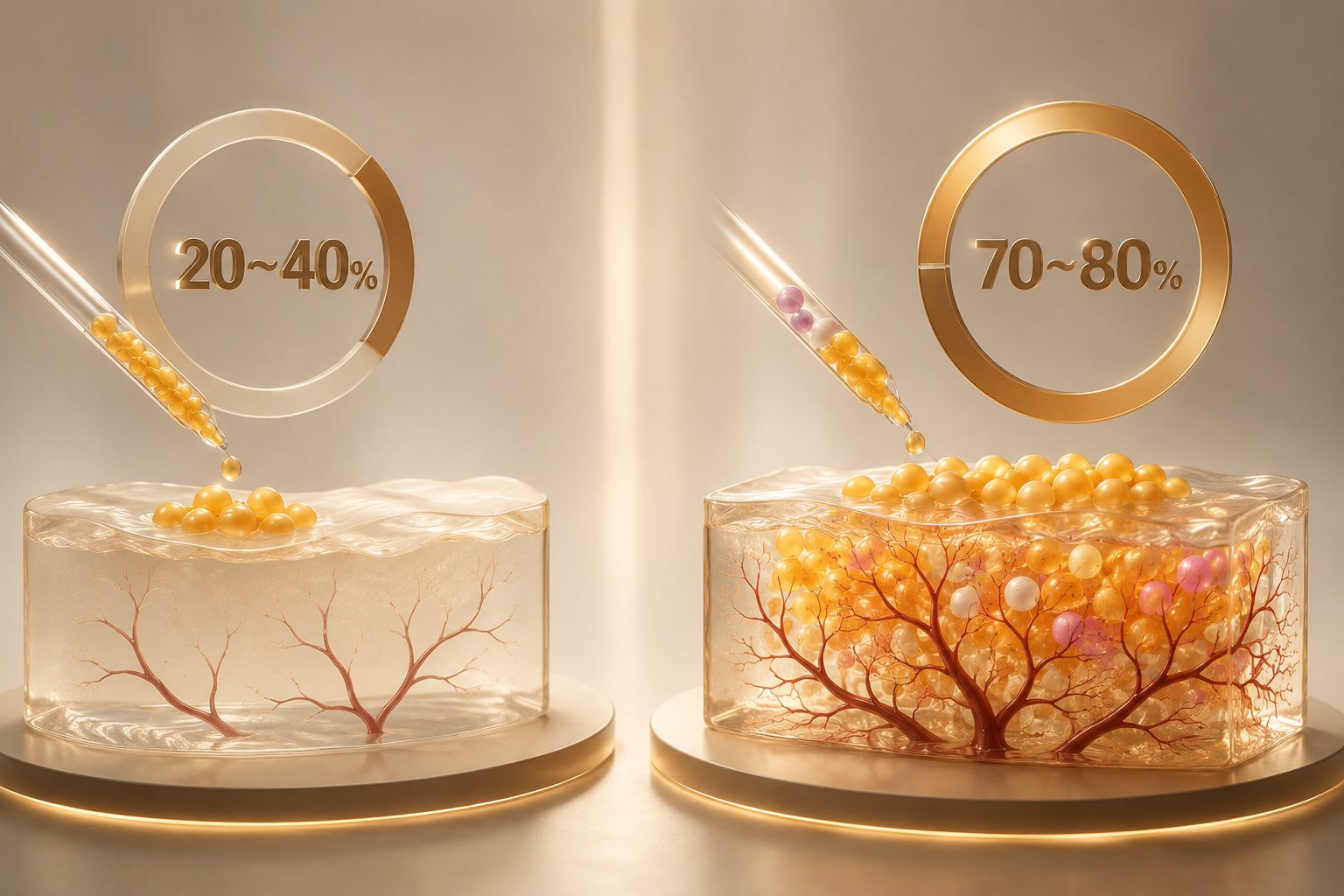
The key to facial fat grafting is ultimately How much of the transplanted fat survives and settles.
Standard fat grafting has a relatively low survival rate of around 20–40%, so Repeated procedures multiple timesThere are many cases where you have to do this.
On the other hand, stem cell (SVF) fat grafting is a method of injecting fat-derived cell components (SVF) extracted from fat together with high-purity fat, The survival rate is 70~80%It is known to improve up to that point. To use a tree analogy, it is not just about planting branches (regions), but Root (blood vessel formation aided by SVF)It amounts to helping them settle in together.
How does the approach differ depending on the body part?
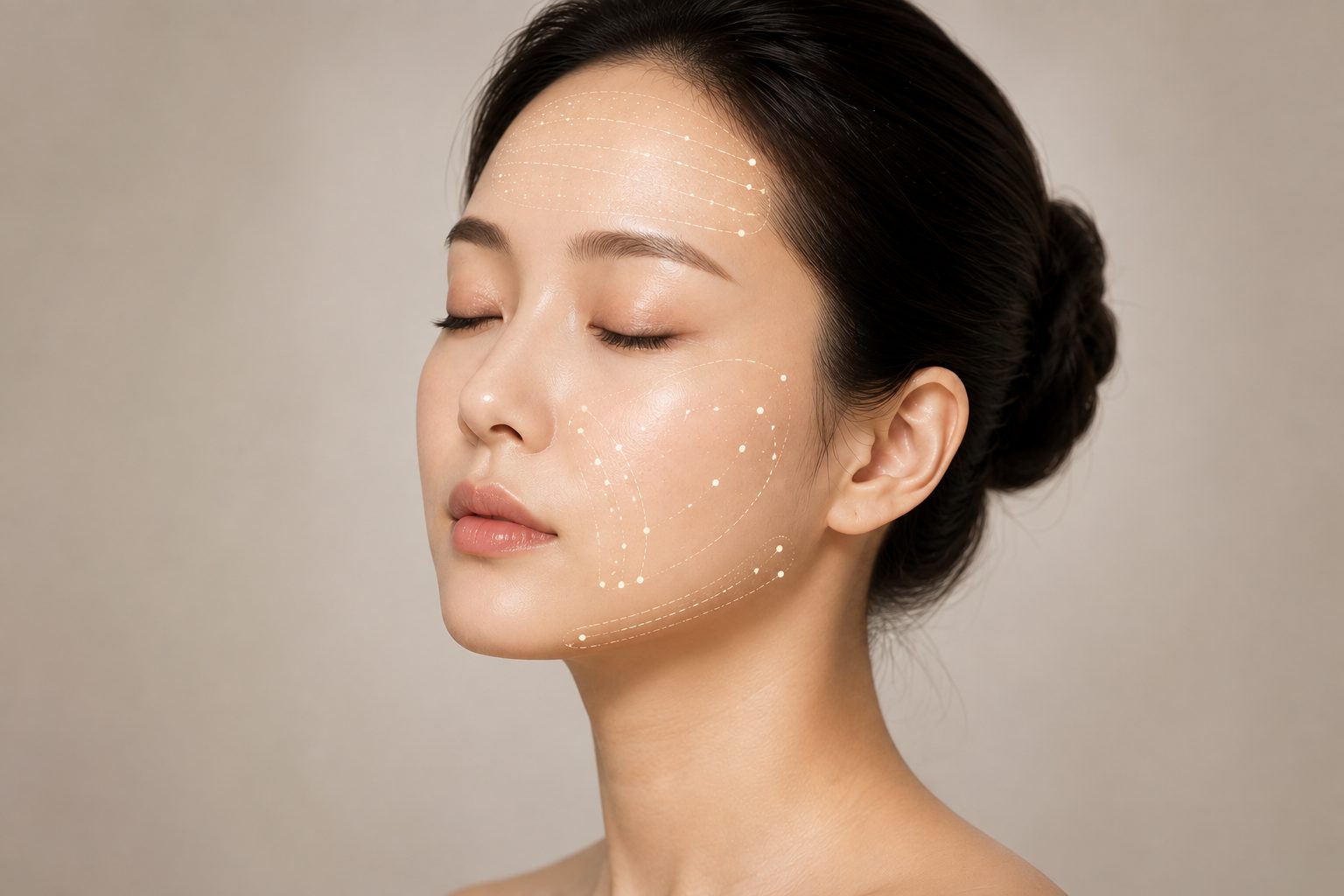
same Stem cell (SVF) fat graftingEven so, the graft depth and injection method are designed quite differently depending on the facial area.
Forehead Since the forehead is a relatively flat and wide area that needs to be filled, it is common to transplant in multiple layers, divided into shallow and deep layers. Because concentrating too much into a single layer can result in an uneven surface, layered distribution is particularly important for this area.
cheek (mid-face) Since sunken cheeks significantly affect the overall balance of the face, meticulously matching left-right symmetry is key. To achieve a natural three-dimensional effect, a method of transplanting small amounts from multiple angles is frequently used.
nasolabial folds Since the nasolabial fold area experiences frequent facial movements, the fat must move naturally even after it is settled. Therefore, a technique is required to precisely place a finer amount of fat compared to other areas.
Gangnam facial fat grafting
Jawline Since the primary purpose of jawline correction is to refine the contour itself, designing the overall line often takes precedence over grafting, and when necessary, a small amount of grafting serves an auxiliary role in refining the line.
Likewise Facial fat graftingConsultation will be much easier if you keep in mind that even under the single name, completely different designs are actually required for each part.
Facial Fat Grafting: How Is It Actually Performed?

Step 1. Analysis of Facial Volume and Structure Each part of the face, such as the forehead, cheekbones, and jawline, possesses unique anatomical characteristics. The SC301 precisely analyzes the volume, symmetry, and lines of the entire face through 3D scanning and conducts a thorough consultation lasting at least 30 minutes.
Step 2. Fat harvesting We gently remove unwanted fat from areas such as the abdomen and thighs.
Step 3. Extract SVF components and inject into the face SVF is extracted from the harvested fat, mixed with high-purity fat, and finely injected according to the specific characteristics of each area described earlier.
The entire procedure is About 2 to 3 hours It takes time, and since it is mostly performed under general anesthesia, you can return to your daily life on the same day of surgery.
Step 4. High-Concentration Oxygen Recovery Management We aid recovery using a high-concentration oxygen chamber to ensure the transplanted fat settles properly. Since oxygen is a crucial factor for tissue regeneration and engraftment, this is one of the effective post-operative care steps.
What does 3D scanning actually show?
Since many people are curious, to explain a little further, 3D scanning is different from simply taking a photo.
By measuring the curvature of the facial surface in three dimensions Difference in volume between left and right, degree of indentation in specific areas, degree of asymmetry in the overall lineIt allows you to check it as a numerical value.
Based on this data, which part How much fat is needed You can simulate it in advance, rather than designing based on intuition Predictable resultsIt helps to make.
How can side effects be prevented?
Stem cell (SVF) fat graftingAlthough it has a higher engraftment rate than the existing method, it is not completely free of the possibility of side effects.
Typical side effects include the expulsion of ungrafted fat from the body or calcification, where the fat combines with surrounding tissues to harden.
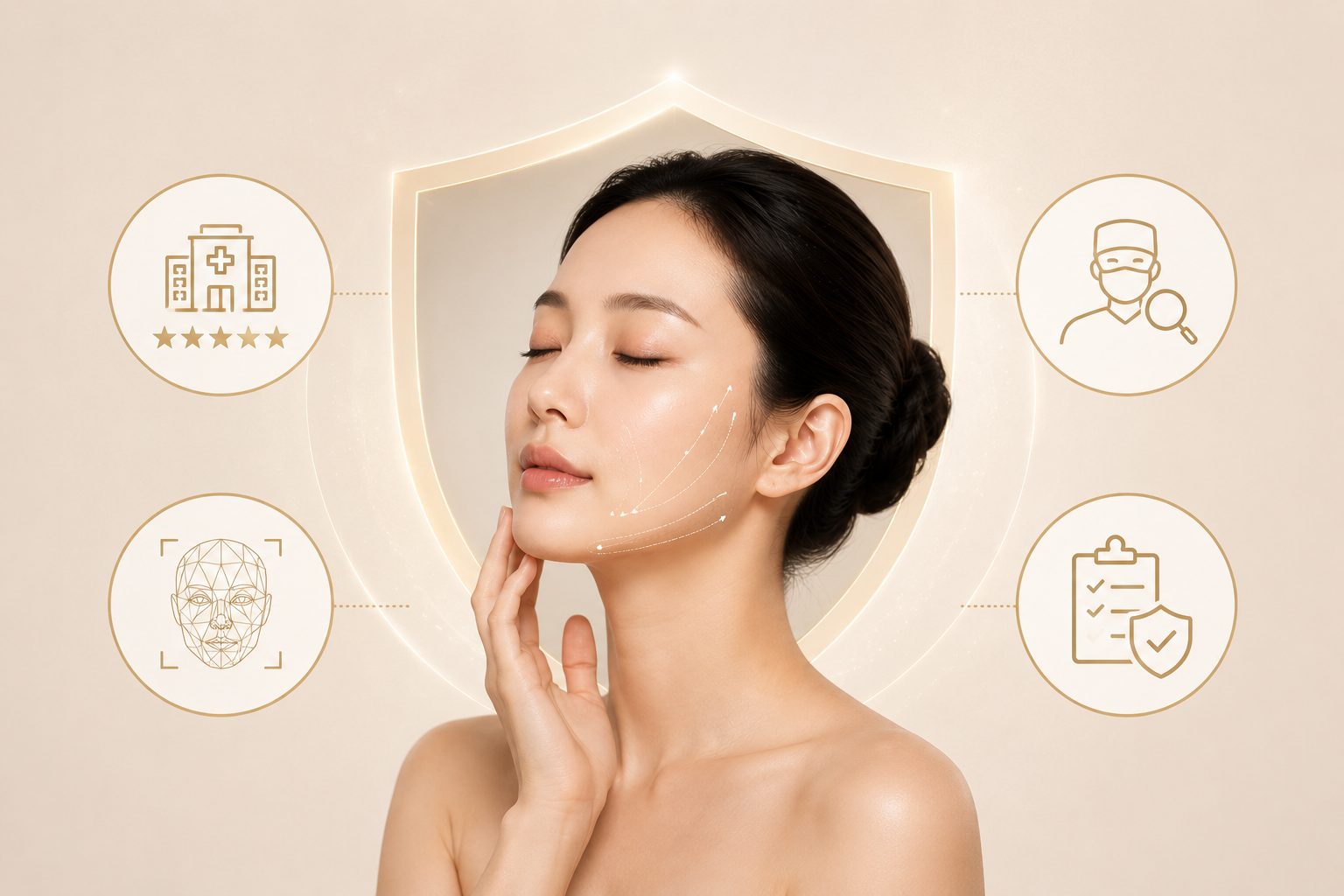
These risks include the survival rate and Medical staff experienceIt depends heavily on [this], but for stem cell (SVF) fat grafting, it is especially important to check the following three criteria.
✔️ Is it a hospital with many surgical cases?
✔️ Sophisticated diagnosis including 3D analysisWhether to do
✔️ Whether aftercare is systematic
SC301 is equipped with a systematized system that ensures all processes, from precise facial analysis based on 3D scanning to the extraction and purification of SVF components and post-treatment recovery care using high-concentration oxygen, flow together in a single stream.
SC301 was calculated based on over 9,000 cases Average engraftment rate 77.48%We have published and released this in the SCI-indexed international academic journal *Annals of Plastic Surgery*. (Engraftment rates and results may vary depending on individual constitution and characteristics of the surgical site.)
Ask like this during the consultation.
● Desired area(Forehead/Cheeks/Nasolabial Folds/JawlineDoes it explain how the transplant depth and method differ by...
● 3D scanning dataWhether you can check the expected results in advance based on
● Whether it provides guidance on risk factors requiring particular attention for each body part
● High-concentration oxygen management How many times and in what way follow-up care is provided
Frequently Asked Questions
Q. Can I treat multiple areas at once?
A. Since this can vary depending on the amount of fat available for harvesting and the individual's facial structure, it is accurate to determine whether to proceed with simultaneous procedures and to prioritize them through a consultation.
Q. Are areas with many facial expressions, like nasolabial folds, more dangerous?
A. While it is true that areas with frequent facial movements require sophisticated grafting techniques, it cannot be concluded that this is inherently more dangerous. It is important to verify that the medical team has sufficient experience with the relevant area.
Q. Is it possible to proceed with just a consultation, without 3D scanning?
A. While it is possible in some cases, designing without objective data can reduce predictability, so we recommend undergoing a detailed analysis as well.
Introduction of the surgeon
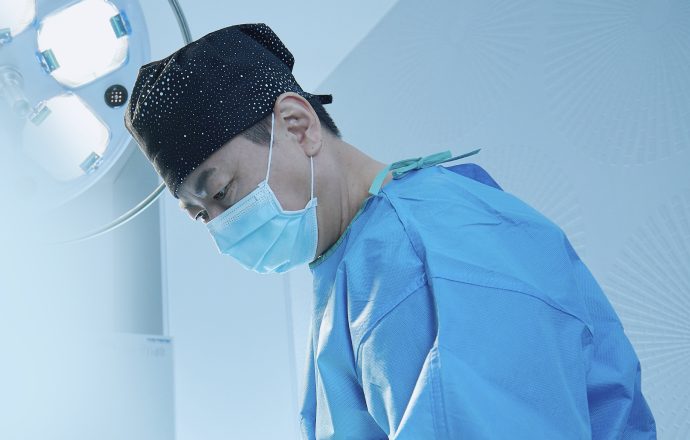
This article is based on 19 years of clinical experience in the field of SVF procedures. Chief Director Shin Dong-jinIt was written based on [the criteria]. He served as the President of the Korean Society of Stem Cell Plastic Surgery for 10 years, and Up to 2–3 cases per dayWe maintain the principle of performing only surgeries.
to finish

Concerns about facial volume go beyond mere beauty and are deeply connected to self-confidence.
facial fat graftingThis is one of the methods you can consider when you want to restore a natural and vibrant complexion. However, the most important thing is to accurately understand the structure and condition of each part of your face and proceed in a way that suits you through sufficient consultation with experienced medical professionals.
If you would like a more detailed consultation or are interested in personalized solutions for improving facial volume, please feel free to contact us anytime.
Procedure results, engraftment rates, and the likelihood of side effects may vary depending on individual constitution, characteristics of the treated area, and lifestyle habits. The information above is for reference only, so please confirm an accurate diagnosis through an in-person consultation.
That has been the Seongchelin Guide!

Frequently Asked Questions
Shall we get a sense of the graft survival rate with the numbers first?
The key to facial fat grafting ultimately lies in "how well the transplanted fat survives and takes root." Conventional fat grafting has a relatively low survival rate of around 20–40%, often requiring repeated procedures. In contrast, stem cell (SVF) fat grafting involves injecting fat-derived cell components (SVF) extracted from fat along with high-purity fat, and is known to improve the survival rate to 70–80%. To use a tree analogy, it is like helping the roots (blood vessel formation aided by SVF) take root along with the branches, rather than just planting the fat.
How does the approach differ depending on the body part?
Even with the same stem cell (SVF) fat graft, the graft depth and injection method are designed quite differently depending on the facial area. For the forehead, since it is a relatively flat and wide area that needs to be filled, it is common to graft in multiple layers, dividing the fat into shallow and deep layers. Since concentrating too much into a single layer can result in an uneven surface, layered distribution is particularly important in this area.
Facial Fat Grafting: How Is It Actually Performed?
Step 1. Analysis of Facial Volume and Structure Each part of the face, such as the forehead, cheekbones, and jawline, possesses unique anatomical characteristics. The SC301 precisely analyzes the volume, symmetry, and lines of the entire face through 3D scanning and conducts a thorough consultation lasting at least 30 minutes. Step 2. Fat Harvesting Unwanted fat is gently harvested from areas such as the abdomen or thighs.
What does 3D scanning actually show?
To explain further for those who are curious, 3D scanning is different from simply taking a photograph. It measures the contours of the facial surface in three dimensions, allowing you to numerically verify differences in volume between the left and right sides, the degree of depression in specific areas, and the asymmetry of the overall lines. Based on this data, you can simulate in advance how much fat is needed in each area, which helps create predictable results rather than relying on intuition for design.
How can side effects be prevented?
While stem cell (SVF) fat grafting offers a higher engraftment rate than conventional methods, it is not entirely free of side effects. Typical side effects include the expulsion of unengrafted fat from the body or calcification, where the fat combines with surrounding tissues to harden. These risks depend heavily on the engraftment rate and the experience of the medical team; therefore, it is particularly important to verify the following three criteria when undergoing SVF fat grafting.


