


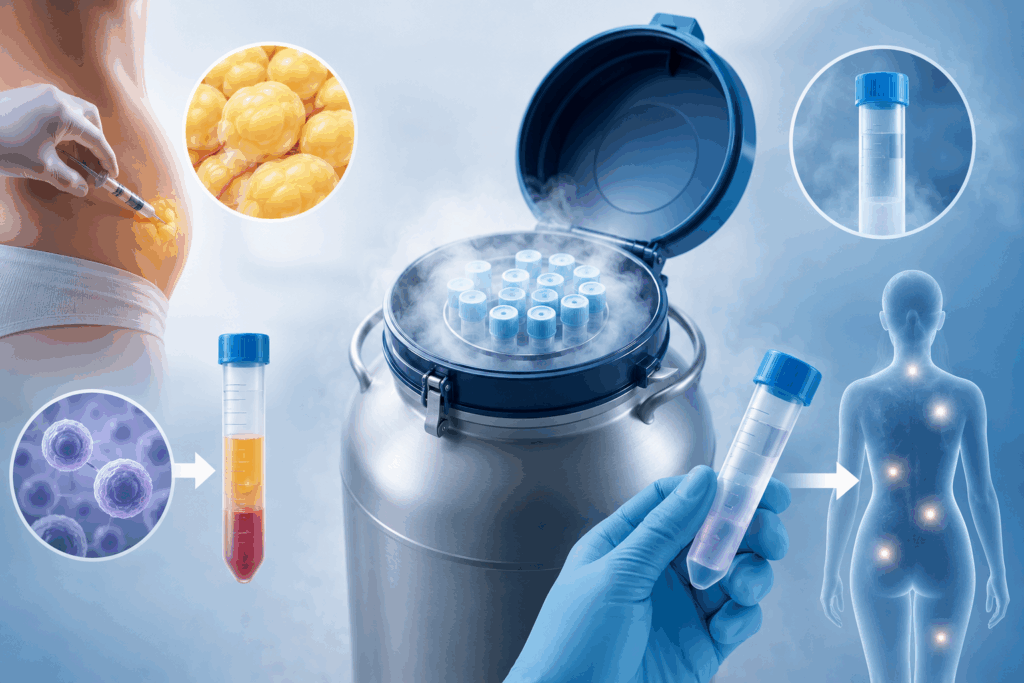
Stem cell (SVF) cell banking is a system that prepares stem cells extracted from a patient's own adipose tissue for long-term storage in a liquid nitrogen environment at -196 degrees Celsius, after purifying them without culture, so that they can be utilized when needed. Although the homing characteristics of adipose-derived stem cells, such as their migration to damaged sites, are being discussed through academic research, there are legal restrictions on their scope of medical application in Korea. Cell banking is a concept of preserving the current state of the cells and does not guarantee their effectiveness upon future use.
What is Stem Cell (SVF) Banking?
Stem cell (SVF) cell banking is a system that stores stem cells extracted from a patient's own adipose tissue for a long period in a liquid nitrogen environment at minus 196 degrees Celsius. It is a method that prepares the stored stem cells so that they can be retrieved and used for injection or procedures when needed.
SC301's cell banking system focuses on preserving the original characteristics of cells to the maximum extent by purifying and storing only pure stem cells without undergoing a culture process.
The functions of adipose-derived stem cells discussed in academics
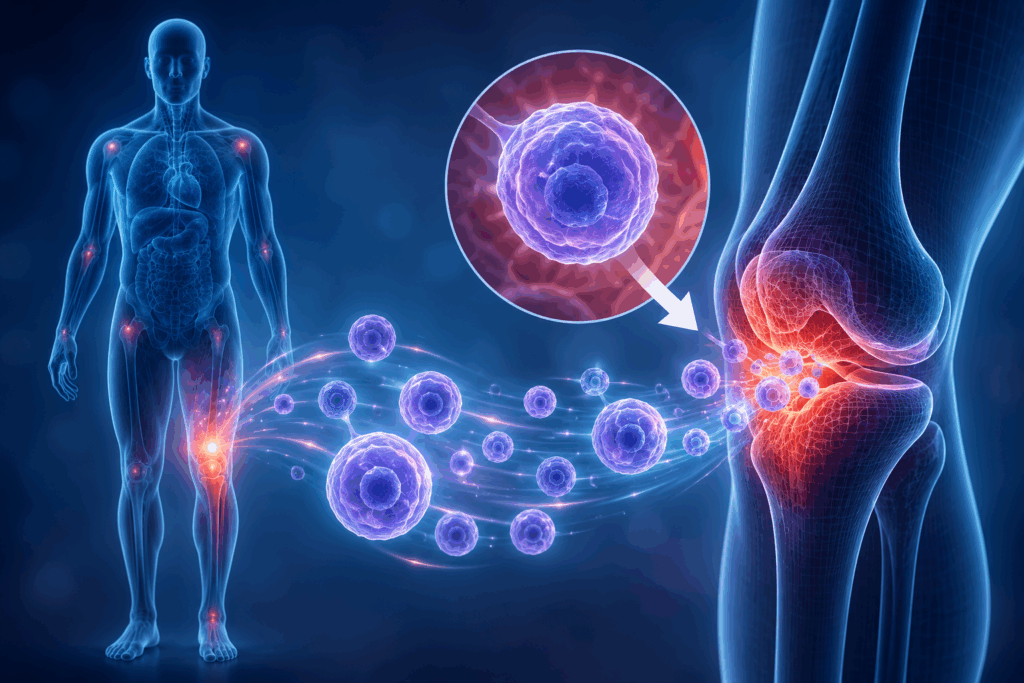
Stem cells are known as biological resources that help the body heal itself. In particular, adipose-derived stem cells are attracting attention as research has reported their homing characteristic, which allows them to autonomously locate damaged areas.
The representative functions discussed in academia are as follows:
- Fatigue recovery and basic physical fitness support
- Maintaining immune function balance
- Homing action — Moves to the site of injury upon intravenous injection
- Improvement of blood vessel formation and blood flow environment
- Tissue differentiation and regeneration assistance
- Promotes wound healing
Important NoticeThe above effects are based on discussions in academic research, and not all items have been confirmed as approved therapeutic effects in Korea. Diagnosis and treatment regarding an individual's health condition must be carried out through consultation with medical professionals.
Cell banking process
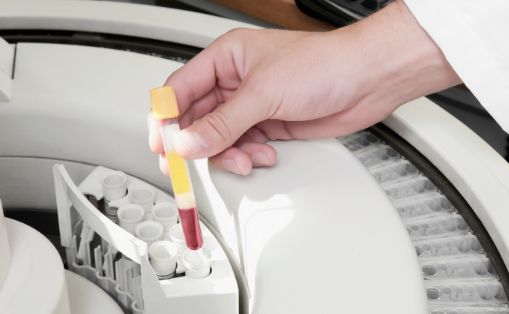
Stem cell (SVF) cell banking or injection procedures proceed to the following steps.
- fat harvesting — Safely extract a small amount of fat from the abdomen or thighs
- Stem cell isolation — Stem cells are isolated from the SVF layer through a purification process of the harvested fat.
- Storage or use after purification — Use for injection as needed, or for long-term storage in liquid nitrogen tanks at -196 degrees.
This process is conducted precisely through SC301's medical staff and dedicated system, taking into account the condition and stability of the cells.
Why early storage is being discussed
The discussion surrounding stem cell (SVF) banking stems from differences in the number and activity of stem cells according to age. Generally, studies have reported a tendency for the number of stem cells in the body, as well as their proliferative and differentiation capabilities, to decrease with age.
For this reason, cell banking is discussed based on the concept that if cells are collected and stored when the patient is relatively young and healthy, resources based on the characteristics of the cells at the time of collection can be secured for later use. However, this is a concept of maintaining the cell state at the time of storage and does not guarantee effectiveness when utilized in the future.
Potential for Stem Cell Utilization and Current Status of Domestic Regulations
Research on stem cells is continuing worldwide, extending beyond simple cosmetic purposes to the recovery and management of bodily functions.
In Korea, there are legal restrictions on medical use, while various studies are underway in countries such as the United States and Japan, focusing on the nervous system, blood vessels, and tissue regeneration. Based on the characteristic of stem cells to differentiate into various tissues, their potential role in future functional recovery and management is being discussed; however, this should be understood as a discussion currently at the research stage.
Things to check during consultation
- Whether it undergoes a culture process or a pure purification method
- Whether the storage facility has a temperature management and stability verification system
- Whether the entire process from collection to storage is operated by an in-house system or outsourced.
- What procedures and consultations will be required for future use
- What is the extent of the currently permitted scope of use under domestic regulations?
Frequently Asked Questions
Q. Can any disease be prevented or treated through cell banking? A. That is not the case. The various functions of adipose-derived stem cells are discussed in academic research, and their use for all therapeutic purposes has not been approved in Korea. It is more accurate to understand cell banking as the concept of storing cells in their current state.
Q. Is cell banking meaningless for older people? A. Since there are studies showing that the number and activity of stem cells can vary with age, storage at a relatively early stage is being discussed, but it cannot be concluded that it becomes meaningless after a certain age.
Q. How long can stored stem cells be used? A. Long-term storage takes place in a liquid nitrogen environment at minus 196 degrees Celsius. Specific storage periods and usage conditions may vary depending on the system of each institution, so confirmation through consultation is required.
Introduction of the surgeon
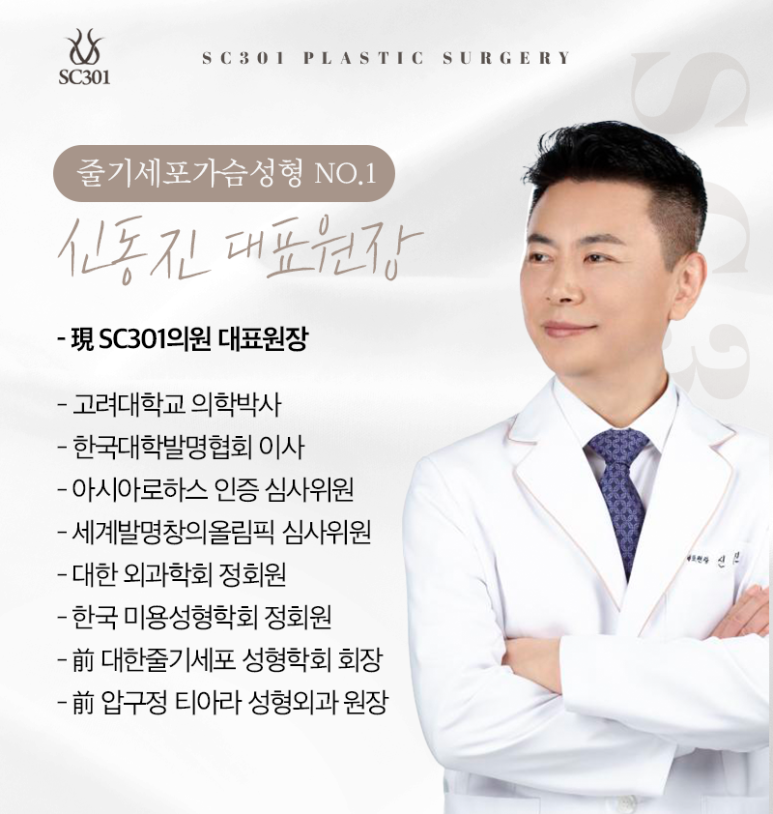
This article was written based on the clinical standards of Dr. Shin Dong-jin, Chief Director of SC301 Clinic. Dr. Shin has accumulated 19 years of clinical experience in the field of autologous fat and SVF procedures, and operates a related system including stem cell (SVF) cell banking based on the principles of accurate diagnosis and personalized planning.
This content is for informational purposes only. The information regarding the action of adipose-derived stem cells is based on academic research and does not guarantee effectiveness for an individual's health condition or specific diseases. The scope of medical application in Korea may be restricted in accordance with relevant laws, so please confirm accurate information through an in-person consultation.
Member SC301 · Chan & Chan Tower, 611 Yeongdong-daero, Gangnam-gu, Seoul (77-9 Samseong-dong) · 1-minute walk from Exit 2 of Bongeunsa Station (Line 9)
https://blog.naver.com/sc301guide – SC301 Naver Seongchelin Guide Blog


