


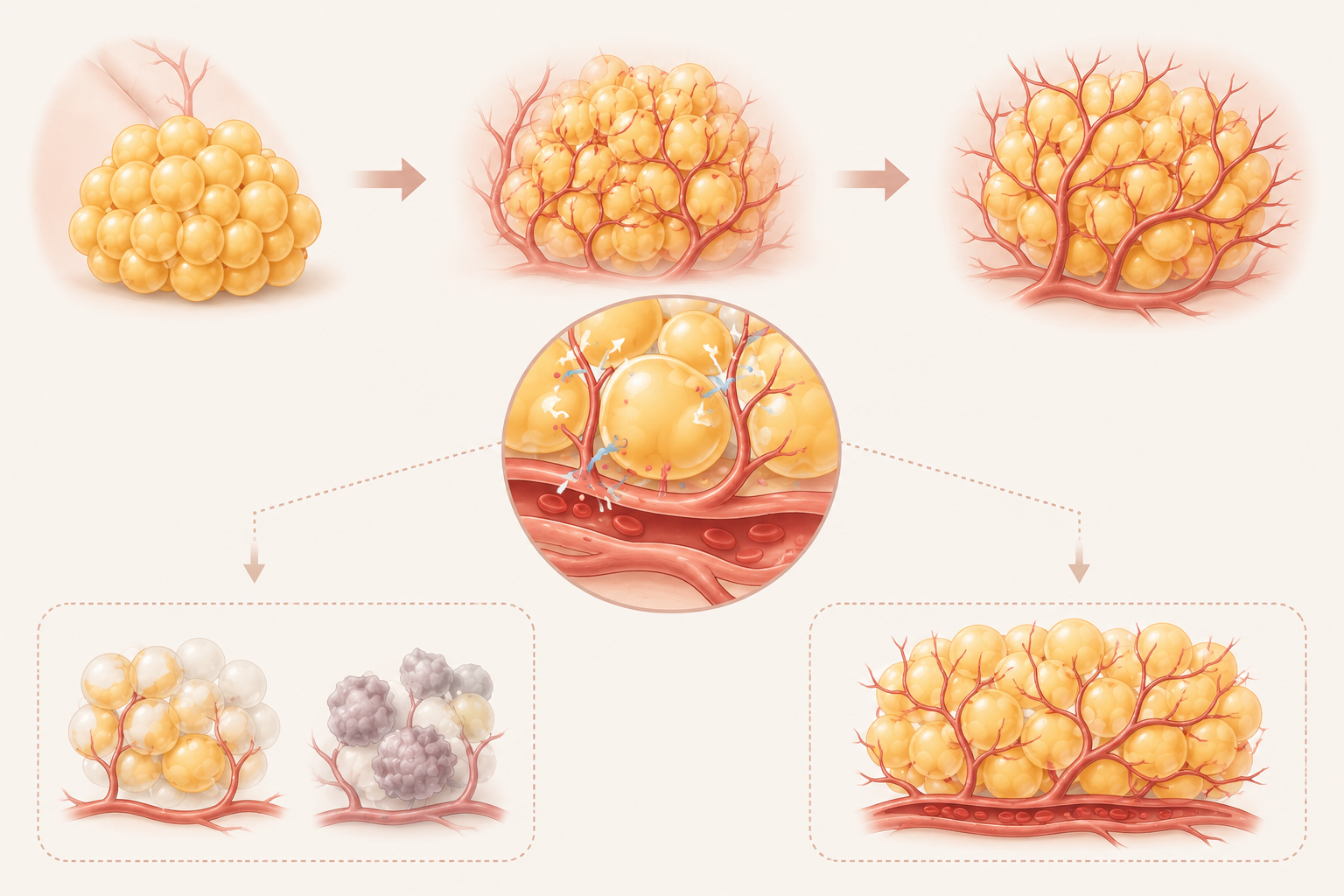
In autologous fat breast augmentation, not all transplanted fat remains; engraftment is achieved only when new blood vessels are formed from surrounding tissues. Since engraftment rates can vary by hospital depending on the measurement time, method, and reference number of cases, it is important to verify the measurement method along with supporting evidence (such as research papers) rather than relying solely on numerical figures. While SVF (fat-derived cellular components) plays a role in facilitating engraftment by assisting in blood vessel formation, the results also depend on the quality of the fat and pre- and post-operative care. SC301 has published an average engraftment rate of 77.48%, calculated based on approximately 9,000 cases, in the SCI-indexed international journal *Annals of Plastic Surgery*, although results may vary from person to person.
Why isn't all transplanted fat left?
Autologous fat breast augmentation is a method in which the patient's own fat, harvested from areas such as the abdomen or thighs, is transplanted into the breasts. It is a highly preferred surgery because it allows for a natural feel and contour without the need for implants.
However, not all transplanted fat remains intact. For transplanted fat cells to survive, new blood vessels must extend from surrounding tissues to supply nutrients and oxygen. Fat that fails to establish sufficient blood flow connections may be absorbed or harden over time, which can make it difficult to maintain volume. Ultimately, the engraftment rate is an indicator representing the percentage of transplanted fat that survives by connecting with new blood vessels.
Reasons why graft survival rates vary from hospital to hospital
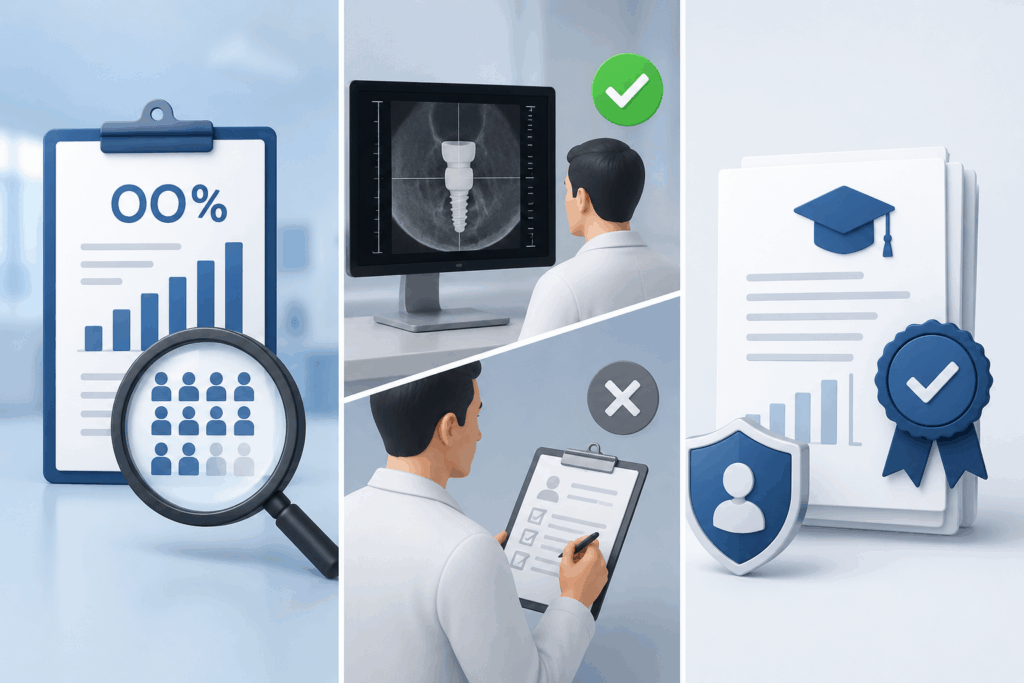
The engraftment rate may be calculated differently depending on the measurement time, the measurement method (whether imaging such as ultrasound or MRI is used), and the number of cases used as a standard.
When comparing hospitals, it is important not to look only at the presented figures but to also check the following.
- Whether the figure was calculated based on a number of cases
- What the measurement method is (self-observation vs. objective image measurement)
- Whether the data has undergone third-party verification, such as academic papers
SC301 has published and disclosed an average graft survival rate of 77.48%, calculated based on over 9,000 cases, in the SCI-indexed international journal *Annals of Plastic Surgery*. (Grafting rates may vary depending on individual constitution and lifestyle.)
The principle by which SVF aids in engraftment
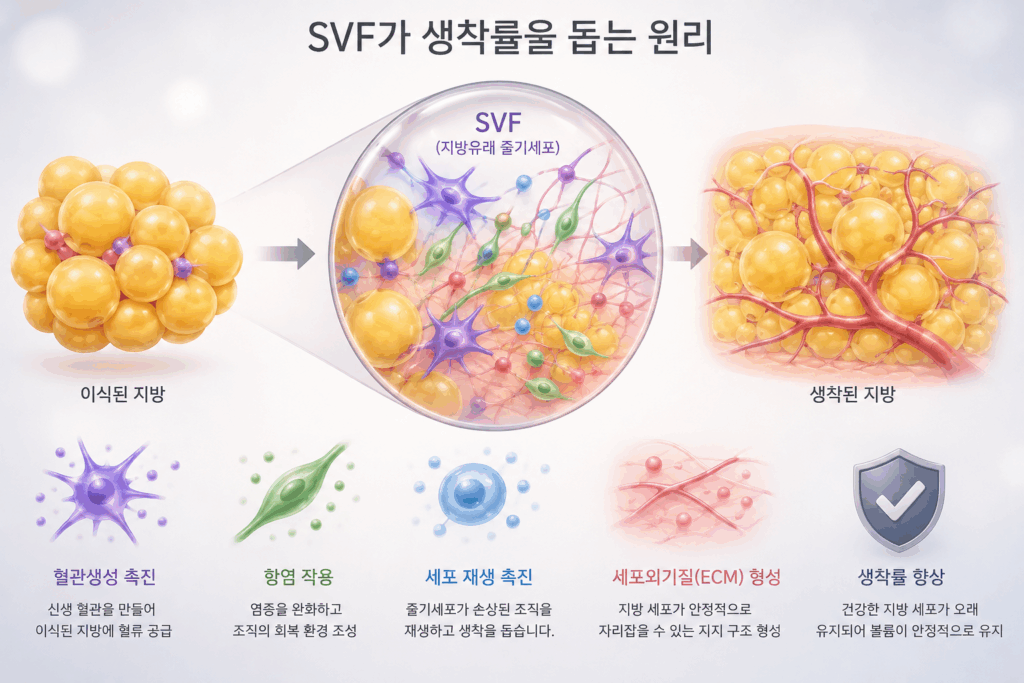
To compensate for these limitations, the stem cell (SVF) breast augmentation (breast fat grafting) method is utilized in conjunction.
SVF refers to adipose-derived cell components that contain elements involved in blood vessel formation and recovery around transplanted fat, playing a role in facilitating smoother blood flow connections.
A method of evenly transplanting refined fat with an appropriate amount of fat-derived cell components in micro-units can reduce the amount of fat absorbed after transplantation and have a positive effect on volume maintenance, while also helping to relatively lower the likelihood of the fat clumping or hardening.
The real variable determining the survival rate: the preparation process
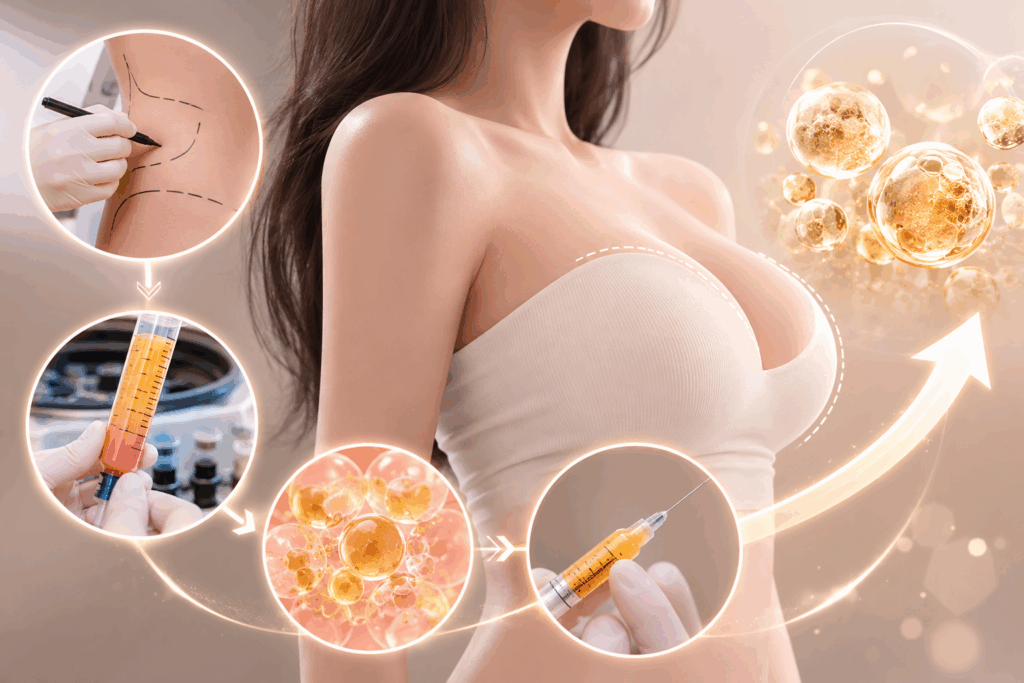
Just because it is Stem Cell (SVF) breast augmentation does not mean the same results will be guaranteed. Another key factor affecting the engraftment rate is the pre- and post-operative care process.
Since both stem cells and fat cells are obtained from the patient's own fat, the condition of the fat itself is very important. If the quality of the fat is poor, the condition of the cells that can be obtained will differ, and it will inevitably affect the process of engraftment after transplantation.
Pre-management: Through personalized dietary management and 'breast pocket management' that prepares the internal breast space, we help the transplanted fat spread evenly and settle in place.
Post-operative careThrough methods such as hyperbaric oxygen management, it supports the rapid connection of fat and adipose-derived cell components with blood vessels, followed by dietary and lifestyle management tailored to the individual's condition.
Comparison of engraftment variables by method
| variable | autologous fat grafting | Stem cell (SVF) breast augmentation |
| Blood flow connection support elements | Adipose cell alone | Adipocytes + SVF |
| Sensitivity to lipids | height | High (equally important) |
| Necessity of advance local preparation | important | important |
| Support for post-mortem angiogenesis | Relying on natural recovery | SVF is involved secondarily |
In both methods, fat quality and pre- and post-treatment care are common variables that determine the results. SVF can be understood as a concept that adds elements to support angiogenesis.
Things to check during consultation
- How many cases and what measurement method is the presented engraftment rate based on?
- How to check your body fat condition in advance and what preparation process to go through if necessary
- Is there a management program (such as hyperbaric oxygen) to aid in blood vessel formation after surgery?
- Is it possible to verify data regarding graft survival rates through research papers, etc.?
Frequently Asked Questions
Q. If there is a hospital with a 100% graft survival rate, can I trust it?
A. Due to the principles of engraftment, it is realistically difficult for all transplanted fat to remain intact. If extremely high figures are presented, we recommend verifying the measurement method and supporting data together.
Q. If I have a thin build and lack fat, does the graft survival rate decrease?
A. The amount of fat that can be harvested and the survival rate are separate issues. However, since the quality and condition of the fat can affect survival, it is important to verify whether preliminary inspections and preparation processes are conducted if necessary.
Q. By how much does the engraftment rate increase if SVF is added?
A. It is difficult to make a uniform conclusion regarding the specific extent of increase, as it can vary depending on the individual's fat condition, treatment site, and aftercare process. It is accurate to understand SVF as playing an auxiliary role in aiding blood vessel formation.
Introduction of the surgeon
This article was written based on the clinical standards of Chief Director Shin Dong-jin (19 years of experience, over 9,000 cumulative surgeries performed), who has established the field of stem cell (SVF) breast augmentation. He served as the President of the Korean Society of Stem Cell Plastic Surgery for 10 years and maintains a principle of performing a maximum of only 2 to 3 surgeries per day.
This content is for informational purposes only, and graft survival rates and treatment results may vary depending on individual constitution, fat condition, and lifestyle. Please confirm an accurate diagnosis and eligibility for the procedure through an in-person consultation.
Member SC301 · Chan & Chan Tower, 611 Yeongdong-daero, Gangnam-gu, Seoul (77-9 Samseong-dong) · 1-minute walk from Exit 2 of Bongeunsa Station (Line 9)
https://blog.naver.com/sc301guide – SC301 Naver Seongchelin Guide Blog


