


When looking into plastic surgery, similar phrases and promises follow endlessly. Amidst all of that, what is truly important is "what this hospital does standardI think it might be "whether to use it as..."
Today, I would like to slowly share the story of how SC301 approaches its patients and the story of Chief Director Shin Dong-jin, who stands at the center of it all.
1. Hospital Philosophy — "Right Thinking, Right Practice"
The philosophy of the SC301 is summarized in a single sentence. Right Thinking, Proper Care.
The Chinese characters contained here are 正進 (Jeong, meaning correct and advanced). Not a hospital that merely produces plausible results, A hospital where the process and standards of treatment are upright first.It is a pledge to become this.
SC301 treats stem cells (SVF, Stromal Vascular Fraction) not as a mere 'procedure' but as a Clinical practice paradigmWe view it that way. That is why the '301' in the hospital name also has meaning.
'301 Ways' does not present a single fixed answer, but, The process of finding the most correct answer for each and every patientIt means.
SC301 does not follow trends. It sets the standard.
This single line most accurately shows the attitude of the SC301 throughout its 19 years.
2. Beliefs Proven by Numbers — Just 2–3 Minutes a Day
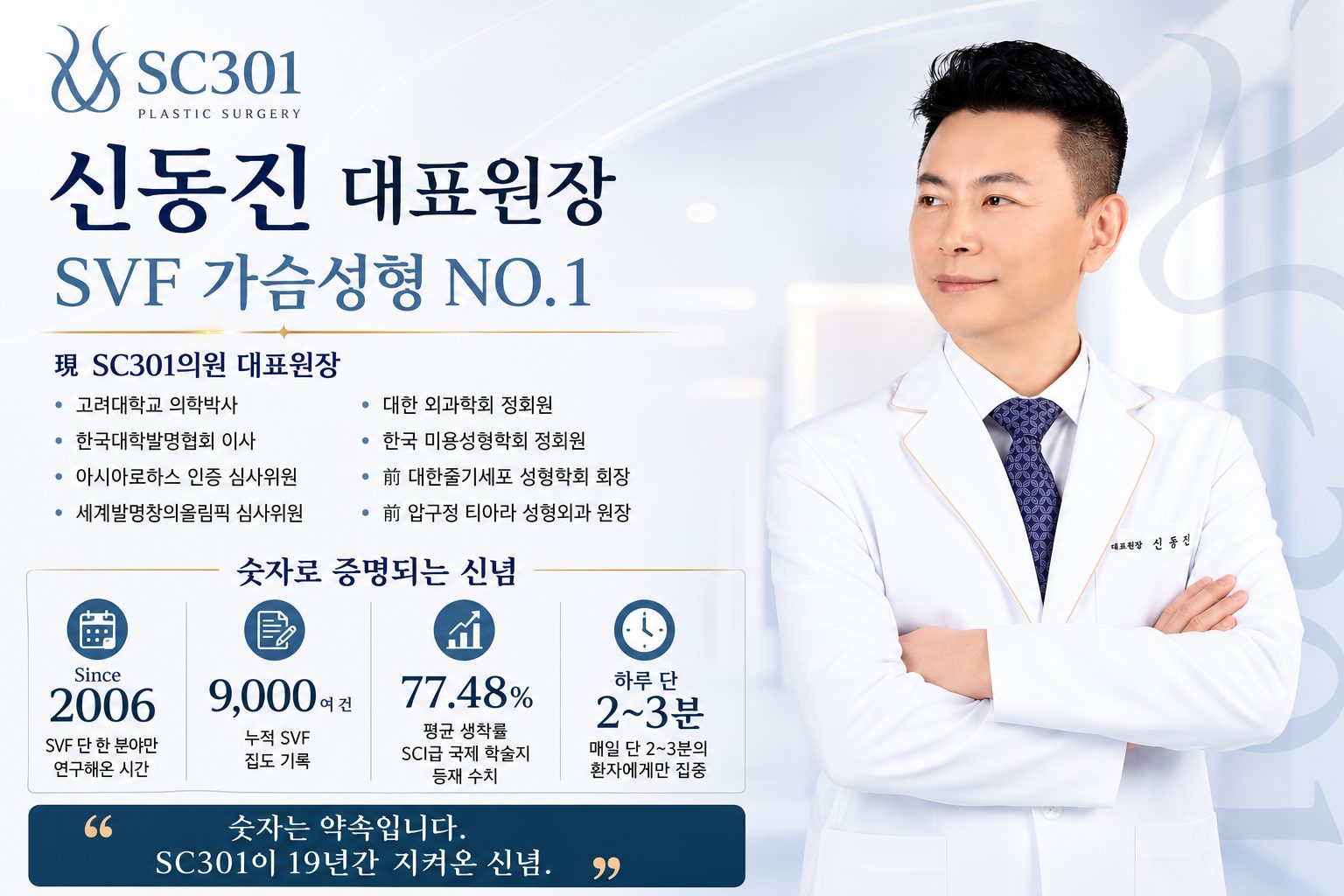
Philosophy is meaningless if it remains only in words. SC301 has upheld this with 'numbers'.
● Since 2006 — Time spent researching only the field of SVF
● Over 9,000 cases — Cumulative SVF surgical record
● Average engraftment rate 77.48% — Figures listed in SCI-level international academic journals
● 2~3 minutes a day — Focus on only 2 to 3 minutes of patients every day
The most impressive thing is the last number. If you receive more, you will generate more revenue, but the SC301 is Performing only 2 to 3 surgeries a dayDirector Shin Dong-jin says that this is a principle he has never wavered in 19 years in order to focus entirely on the patient and the surgery.
Numbers are a promise. The belief SC301 has upheld for 19 years.
3. SC301’s Differentiation — What Makes It Different from Others
① Since 2006 Stem Cell (SVF) Breast Augmentation, and the 'Hospital That Teaches Doctors'
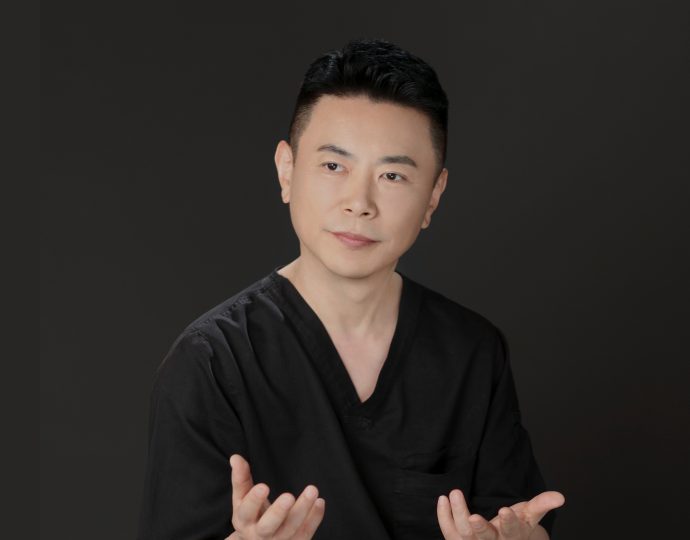
SC301 is a hospital that has been researching stem cell (SVF) breast augmentation since 2006 (2007). Director Shin Dong-jin Served as President of the Korean Society of Stem Cell Plastic Surgery for over 10 years During my tenure, I personally led dozens of live surgeries, lectures, and discussions over the past 15 years. In other words, A hospital that does not just use learned skills, but establishes standards for technology and teaches other doctors.It means...
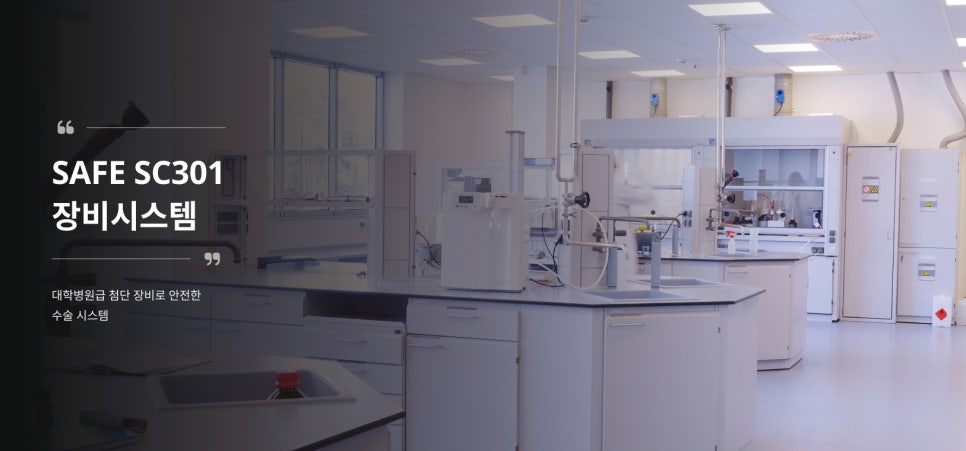
② There is always a research institute next to the consultation room.
Stem cell (SVF) fat grafting is completely different from conventional fat grafting. Instead of simply injecting the extracted fat, within it Extract pure 'stem cells' one more timeThis is because it must be accomplished. This process requires about 10 types of specialized equipment and sterile facilities.
SC301 is 2007 SVF dedicated research instituteWe opened [it] and operate based on data from our own analysis of 9,000 cases. Not nursing assistants SVF is extracted manually by expert researchers with master's or doctoral degrees and over 10 years of experience.do.

③ Graft Survival Rate — A Key Indicator Demonstrating the Medical Team's 'Skill'
Even if the same patient with an A-cup comes in, the result can be a B-cup or a C-cup depending on the engraftment rate. As such, the engraftment rate is the core of stem cell (SVF) breast augmentation and is a direct reflection of the medical team's skill. SC301 has established the nation's highest-level SVF medical environment by equipping itself with a precision cell counter, a 3D scanner that predicts graft volume, and hyperbaric oxygen therapy equipment.
④ My body's cells do not take a single step outside the hospital
This is the differentiating factor that SC301 emphasizes the most. Many hospitals, after collecting the patient's tissue, Entrusted to an external biotech company that is legally separateIt is processed, supplied again, and transplanted. In this structure, responsibility lies between the hospital and the external company. DispersionIt's possible.
SC301 is different. All stages from collection to purification to transplantation are handled directly in-house as a one-stop service.The head surgeon controls the purification process in real-time and takes full responsibility until the end.
"Would you entrust your body's cells to them? Or do you want the hospital performing the surgery to take full responsibility until the very end?"
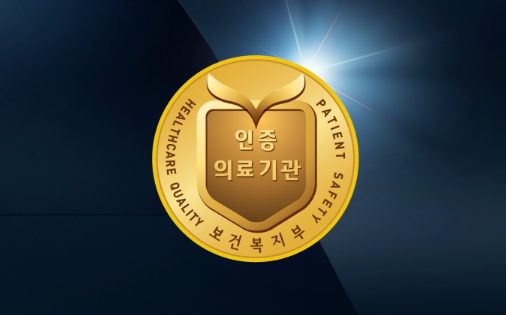
⑤ State-certified qualification
In 2026, SC301 simultaneously obtained the Designation as an Advanced Regenerative Medicine Implementing Institution (No. Regeneration-1-0049) and a Cell Processing Facility License (No. 139) from the Ministry of Health and Welfare. The Cell Processing Facility License is a rigorous standard that even general biotech companies struggle to meet, so its significance lies in the fact that a 'clinic' successfully obtained it. Rather than an award, State-granted qualification for 'genuine' SVF treatmentIt amounts to that.
4. The Story of Chief Director Shin Dong-jin
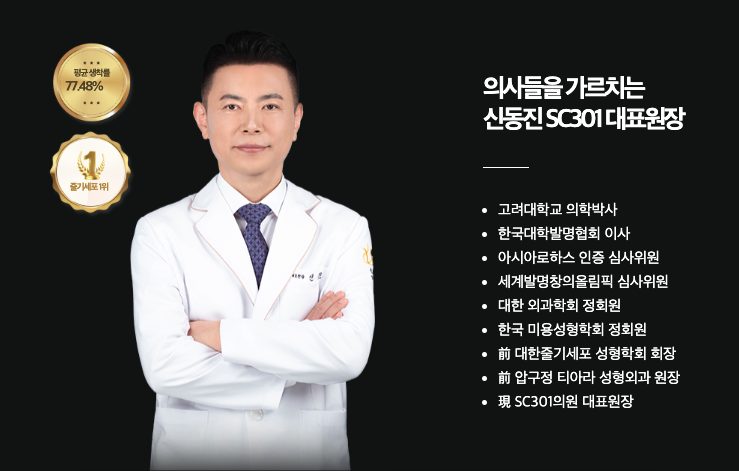
Shin Dong-jin, MD, Ph.D., Doctor of Medicine, Korea University · Chief Director, SC301 Clinic
Director Shin Dong-jin's path can be summarized as a 'persistent solitary road' dedicated to a single field.
● 2006We are launching the SVF research to overcome the limitations of breast augmentation that relied on implants.
● 2007We are now fully performing domestic stem cell (SVF) breast augmentation procedures.
● 2009He established the Korean Society of Stem Cell Plastic Surgery and served as its president, beginning to spread his surgical methods to his fellow doctors.
● Subsequently, he presented stem cell (SVF) breast augmentation at the APACS International Congress of Aesthetic Plastic Surgery and other venues, and Published international papers in succession...and makes its academic foundation known on the international stage.
● Oxford JournalWe publish a research paper on SVF in [Journal Name] and publish a paper in an SCI-level international academic journal proving an average engraftment rate of 77.48% 18 months after the procedure.
● In the meantime Minister of Health and Welfare Award, Minister of Food and Drug Safety Award SVF is recognized for its contribution to the development of plastic surgery through 11 awards over 13 years.
There is one thing that has not changed during that long time. The principle of personally performing all surgeries and operating only 2 to 3 times a day.Although I hear people around me asking "Why don't you accept more?", I have not wavered in my conviction to focus on each and every patient.
"I will take full responsibility from start to finish." — Shin Dong-jin, Chief Director of SC301
5. And eventually, SC301 again
After going through various places and experiencing both expectations and disappointments, Those who have come a long way to knock on SC301's door이 있습니다.
The foreign body sensation of implants, disappointing engraftment rates, and design limitations—there are standards that become apparent only after experiencing failure. I hope you do not have to take the long way around due to the pain and regret of a second attempt.
Frequently Asked Questions (Q&A)
Q1. What exactly is the difference between stem cell (SVF) fat grafting and regular fat grafting?
A. The most crucial difference lies in 'what you put in'.
In standard fat grafting, fat extracted from areas such as the thighs or abdomen is transplanted as is (or after only simple purification). In this case, there is a relatively high possibility that the transplanted fat cells will fail to take root, resulting in a significant portion being absorbed into the body or leading to necrosis or calcification.
On the other hand, the traditional SVF method from extracted adipose tissue Separate the SVF (Stromal Vascular Fraction) one more timeIt is mixed again with purified fat in a certain ratio and transplanted. The adipose-derived stem cells (ADSCs) within the SVF help in blood vessel formation and regulate inflammation, thereby [helping] the transplanted cells Role of increasing survival rate (graft success rate)...does that. In other words, even within the 'same region,' whether or not a survival environment is provided within it determines the outcome.
However, because this process absolutely requires specialized equipment for SVF extraction and dedicated research personnel, there are not many places in Korea that actually perform authentic SVF transplants.
Q2. What does a 'graft survival rate of 77.48%' mean, and why is it so important?
A. The survival rate is The percentage of transplanted fat and cells that survive and settle in the breast without being absorbed.It means... It is the core of the result and an indicator that demonstrates the medical team's competence.
Even if the same A-cup patient comes in, depending on the graft survival rate, it may end up as a B-cup or even reach a C-cup. Additionally, if the graft survival rate is high, the natural shape designed initially is maintained, whereas if it is low, the shape may deviate from the original plan over time, or the risk of necrosis or calcification increases.
The average engraftment rate of 77.48% presented by SC301 is a figure published in an SCI-level international academic journal based on the analysis of numerous clinical cases. It is significant in that it is not an arbitrarily stated number, but rather data verified by tracking results 18 months after the procedure.
However, the engraftment rate varies individually depending on the patient's body fat percentage, lifestyle, and pre-treatment care, and the same results are not guaranteed for everyone.
Q3. Is it possible to have stem cell (SVF) breast augmentation even if I have a slim build?
A. Although it is often possible, A thorough inspection comes first..
Even if a person appears thin on the outside, body composition tests such as an InBody may reveal a sufficient body fat percentage, making surgery possible in such cases. Conversely, if tests indicate insufficient fat for extraction, rather than immediately concluding that it is difficult, The process of preparing the area for surgery through pre-operative managementI recommend this first. For example, for those with low body fat, it helps increase fat to an appropriate level.
Of course, it is not 100% possible for everyone, and there are exceptions. Therefore, rather than concluding in advance that "it probably won't work because I am on the thinner side," we recommend visiting the clinic for examination and consultation to accurately determine your feasibility.
Q4. Why is it important that 'my cells do not leave the hospital'?
A. The process of handling cells Responsibility and control because of.
Some hospitals collect patient tissue and send it to legally separate external biotech companies. consignmentThe cells are entrusted for processing and purification, then supplied back for transplantation. In this structure, responsibility for the cells lies between the hospital and an external company. Divided It's possible.
SC301 covers all stages from harvesting to purification to transplantation. One-stop direct processing within the hospitalBecause hospital researchers and the attending surgeon communicate in real-time to coordinate key variables of cell purification on the spot, it is possible to control the conditions to be most favorable for engraftment. Above all, if a problem arises, responsibility is not dispersed, A structure where the director takes full responsibility for the surgery until the end.This is the biggest reassuring factor from the patient's perspective.
This self-processing is the Ministry of Health and Welfare's in 2026 Designation of Advanced Regenerative Medicine Implementing Institutionand Cell processing facility permitIt takes place inside a facility that has received national certification.


