


Hello, this is the Seongchelin manager 🙂
The side effects after the first surgery were very severe.
The volume faded quickly, so I am considering revision surgery.
After getting breast augmentation
There are more people than you might think who say things like this.
At first, I decided to have the surgery with excitement, but
Over time, if the results are unsatisfactory or
If discomfort arises, you start considering surgery again.
In particular, revision surgery is more burdensome than the first surgery, and
It is inevitable that your mind will be complicated until you make a decision.
So today, before deciding on breast revision surgery
I have summarized two key points that are good to know.
This article addresses your concerns
I hope this helps lighten the burden, even if just a little! 🍀
✔️ Why the role of experienced medical staff is important
Breast revision surgery is a much more complicated process than the first surgery.
The reason is that while solving existing problems
This is because we need to produce new results.
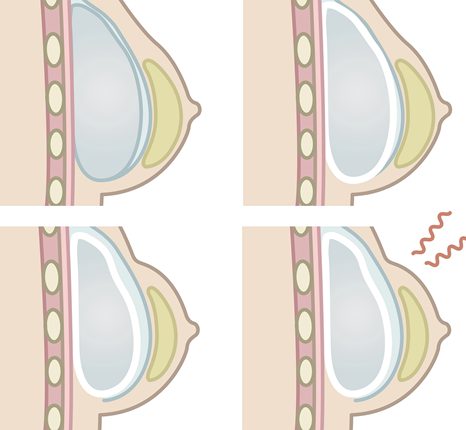
In particular, the scar tissue remaining after the first surgery
Reduces the flexibility of the skin and internal tissues
It makes it difficult to inject fat or cells.
For this reason, revision surgery is not merely a supplement,
Restore damaged tissue and
A precise process is required to restore flexibility.
The most important thing is,
Medical staff with sufficient experience in revision surgery and
Direct consultation and planning.
Whether the attending physician in charge of the surgery actually performs the procedure,
Transparently verifying experience and background is
It is the starting point of safety.
✔️ Why Stem Cell (SVF) Fat Grafting Is Suitable for Breast Revision Surgery
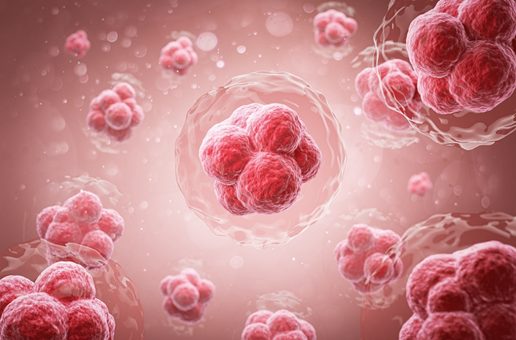
Recently, during revision surgery
SVF (fat-derived cell component) fat graftingof
The number of cases applying this is increasing.
SVF is a cellular component extracted from fat,
It plays a role in aiding tissue regeneration and recovery.
Surgery utilizing this is compared to conventional fat grafting
It has a high engraftment rate and is also effective for scar tissue reduction.
positive impactcan give you.
The reason the shape remains stable over time is also
It is thanks to the engraftment power of this SVF component.
Why is SC301's breast revision surgery special?
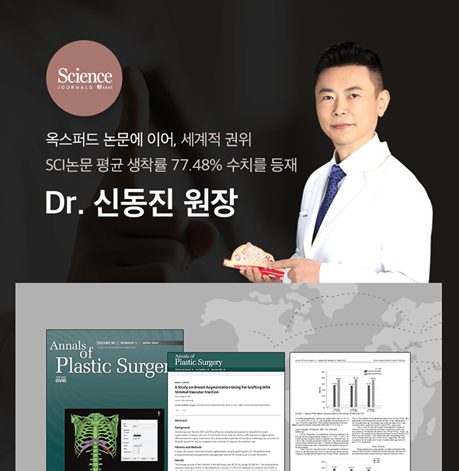
SC301 is based on a research-oriented system
Combining data and clinical experience
We provide breast revision surgery solutions.
A biocompatible method using autologous fat and SVF components
It achieves a natural texture and balanced lines,
Through the research team's data analysis
Average survival rate of 77.48%proved.
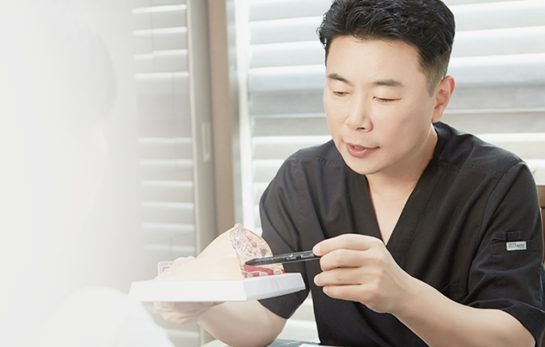
In addition, based on anatomical data accumulated over 20 years
Finely adjusting the bust line,
Helps strengthen graft survival after the procedure
SC Secret Care Programto
We provide systematic management for the alleviation of swelling, pain, and bruising.
Breast revision surgery is not simply a process of restoring the appearance.
Correcting previous problems,
It's a new starting point to regain your confidence!
SC301 accompanies you on this journey
As a research-oriented medical institution,
Based on numerous clinical data
We suggest the optimal method tailored to the individual.
If you are considering revision surgery, please consult with SC301.
Through data-proven results and a systematic system
So that you can smile comfortably again
I will be with you😊
This has been the Seongchelin Guide 🖐️


Frequently Asked Questions
Why is SC301's breast revision surgery special?
SC301 provides a breast revision solution that combines data and clinical experience based on a research-oriented system. Utilizing a biocompatible approach with autologous fat and SVF components, it achieves a natural feel and balanced lines, and the research team's data analysis has proven an average engraftment survival rate of 77.48%. Furthermore, based on 20 years of accumulated anatomical data


